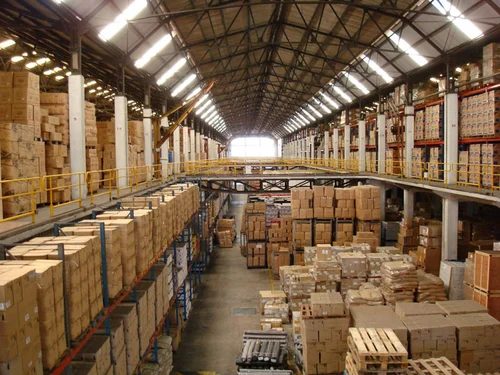
Storage solutions become important while moving or when you just want to make some extra room in your home. Selecting between short-term and long-term storage is a crucial choice that needs to be carefully thought through, regardless of how long it will be used—a few weeks or several years. When things need to be stored for a brief amount of time—like during a move or home renovation—temporary storage is perfect. Conversely, long-term storage is intended for people who need to store goods securely for longer periods of time, including when downsizing or keeping sentimental objects.
Temporary vs. Long-Term Storage: Which Option is Best for You?
Temporary Storage
Temporary storage is a practical solution when you need to store belongings for a limited period, typically ranging from a few days to a few months. It provides flexibility and convenience, especially in situations where immediate storage is essential but not long-term.
Common Scenarios
- Moving: Temporary storage is ideal when there’s a gap between moving out of one place and into another, allowing your belongings to be safely stored until you’re ready to settle in.
- Renovations: Home improvement projects often require items to be moved out temporarily to create space and avoid damage, making short-term storage solutions a perfect fit.
- Short-term Relocation: If you’re relocating for work or travel for a short period, storing your belongings until your return is often more practical than moving everything.
Types of Temporary Storage
- Self-storage units: These are secure, rented spaces where you can store your items on a short-term basis. They come in various sizes and offer 24/7 access, making them a popular option.
- Storage containers: Portable storage containers can be delivered to your location, allowing you to pack and store items at your own pace. Once packed, the container can be transported to a secure storage facility.
- Moving companies’ storage services: Many moving companies offer storage solutions as part of their services, where your belongings are stored temporarily in their facilities while in transit.
Factors to Consider
- Cost: Temporary storage rates can vary depending on the location, size of the unit, and duration of storage. It’s important to compare prices and find a solution that fits within your budget.
- Accessibility: If you’ll need frequent access to your items during the storage period, choose a storage solution that allows for easy access. Some facilities offer 24/7 access, while others may have restricted hours.
- Security: Ensuring your belongings are safe is critical. Look for storage facilities that offer security features like surveillance cameras, gated access, and on-site personnel to keep your items protected.
- Insurance: Many storage companies offer insurance for stored items. It’s essential to check whether your belongings are covered or if you’ll need to purchase additional insurance to protect them from damage or theft.
Long-Term Storage
Long-term storage is designed for situations where items need to be stored for extended periods, typically several months to years. Whether you’re holding onto sentimental belongings, archiving important documents, or simply keeping seasonal items out of the way, finding the right long-term storage solution is key to maintaining the condition of your possessions over time.
Common Scenarios
- Storing sentimental items: Family heirlooms, childhood mementos, or valuable collectibles often need to be preserved for the long term, requiring secure and stable storage environments.
- Archiving documents: Businesses and individuals may need to store legal, financial, or historical documents for several years, making long-term storage an essential solution for secure archiving.
- Storing seasonal items: Items like holiday decorations, camping gear, or off-season clothing often need to be stored away for most of the year, freeing up space in your home.
Types of Long-Term Storage
- Self-storage units: Many storage facilities offer long-term rental options for secure units. These come in a variety of sizes, providing flexibility based on the volume of items you need to store.
- Attic or basement storage: For those with extra space at home, using an attic or basement for long-term storage is a cost-effective option, though environmental conditions like humidity should be considered.
- Off-site storage facilities: Specialized storage facilities offer climate-controlled environments for items that require extra care, such as art, wine collections, or sensitive documents.
Factors to Consider
- Cost: Long-term storage can be a significant investment over time. While self-storage units are a popular option, comparing rates, rental terms, and added services such as climate control or insurance is essential to managing costs effectively.
- Environmental conditions: Items stored long-term can degrade without proper environmental controls. Humidity, temperature fluctuations, and pests can cause damage, especially to sensitive items like wood furniture, paper, and electronics. Consider climate-controlled storage to protect these valuables.
- Accessibility: Depending on how frequently you need to access your stored items, proximity and ease of access to the storage location can be important. Long-term storage typically involves less frequent access, so choosing a remote but more affordable facility may be a viable option.
- Security: Long-term storage requires strong security measures to ensure your belongings are safe over an extended period. Facilities with advanced security features like 24/7 surveillance, gated access, and secure entry systems offer greater peace of mind.
- Insurance: Just like with temporary storage, it’s crucial to verify whether your items are insured while in long-term storage. Many facilities offer insurance, but it’s also wise to explore supplemental coverage for high-value items.
Comparing Temporary and Long-Term Storage
When deciding between temporary and long-term storage, several factors come into play, including costs, accessibility, security, environmental conditions, and insurance. Understanding these differences will help you choose the right storage option based on your needs and the nature of the items you’re storing.
Cost Analysis
- Initial Costs:
- Temporary storage: Initial costs tend to be lower since these solutions are often short-term and involve minimal upfront commitments. You may only need to pay for the first month’s rent, and setup fees (if any) are usually minimal.
- Long-term storage: While the initial costs may also be low, the real financial impact comes from the extended duration of use. Long-term contracts may offer discounted rates, but the overall cost accumulates over time.
- Ongoing Costs:
- Temporary storage: Ongoing costs are typically higher on a month-to-month basis but are manageable due to the short duration. Temporary storage solutions tend to be more flexible, often allowing you to cancel when no longer needed without long-term contracts.
- Long-term storage: Long-term storage can come with discounted rates for extended rental periods, but these costs add up over the months and years. Additional services, such as climate control or insurance, may further increase the price.
Accessibility
- Ease of Access:
- Temporary storage: Temporary storage is designed for short-term convenience, so facilities often prioritize easy access. Many units provide 24/7 availability, allowing you to retrieve items at your convenience during the storage period.
- Long-term storage: Long-term solutions may not prioritize accessibility since the items are stored for extended periods. Facilities might have restricted access hours or require advance notice for retrieval, especially for off-site storage.
- Frequency of Visits:
- Temporary storage: Due to the short-term nature, you may need frequent access to your items. Temporary solutions often accommodate this with flexible entry policies, allowing for regular visits.
- Long-term storage: Since long-term storage is typically used for items you don’t need regular access to, visits are less frequent. This makes it easier to opt for locations that may be more remote but more affordable.
Security
- Protection Against Theft and Damage:
- Temporary storage: Security measures in temporary storage are generally focused on preventing immediate risks, offering basic protection like gated entry, security cameras, and individual unit locks.
- Long-term storage: Given the extended duration, long-term storage may require heightened security. Advanced security features, such as 24/7 surveillance, keycard access, and on-site security personnel, are more common to ensure the safety of items over time.
Environmental Conditions
- Temperature and Humidity Control:
- Temporary storage: For short-term needs, climate control may not be necessary unless the items are particularly sensitive, such as electronics or artwork. Basic storage units may suffice for most items that won’t be stored long enough to experience environmental damage.
- Long-term storage: Climate control is often essential to prevent damage from fluctuating temperatures and humidity. Items like wood furniture, electronics, and documents can deteriorate over time if exposed to poor environmental conditions, so climate-controlled units are highly recommended for long-term storage.
Insurance
- Coverage Options and Costs:
- Temporary storage: Insurance for short-term storage is often included as an option in the rental agreement. Since items are stored temporarily, the cost of coverage is typically lower and more flexible, allowing you to adjust as needed.
- Long-term storage: Long-term storage requires more comprehensive insurance, as items are stored for extended periods and are more vulnerable to unforeseen risks like environmental damage or theft. Insurance costs for long-term storage tend to be higher, especially if the value of stored items is significant.
Conclusion
Ultimately, the choice between temporary and long-term storage comes down to your specific needs. Temporary storage offers flexibility and accessibility, making it ideal for short-term situations like moving or renovations. Long-term storage, on the other hand, provides security and protection over time, making it better suited for items you won’t need immediate access to but still want to preserve safely. Consider the factors above to make an informed decision based on your budget, accessibility requirements, and the items you wish to store.