It’s critical to consider how the office layout may change over time when making growth plans. This includes taking into account things like adding collaborative areas, expanding the number of workstations, modernizing the technology infrastructure, and making sure that the conditions of the lease or the ownership of the building provide flexibility. The expense and inconvenience of moving again soon can be avoided with a well-thought-out relocation. This article will assist you in comprehending the process of planning an office move to accommodate future growth.
How to Plan an Office Move to Accommodate Future Growth
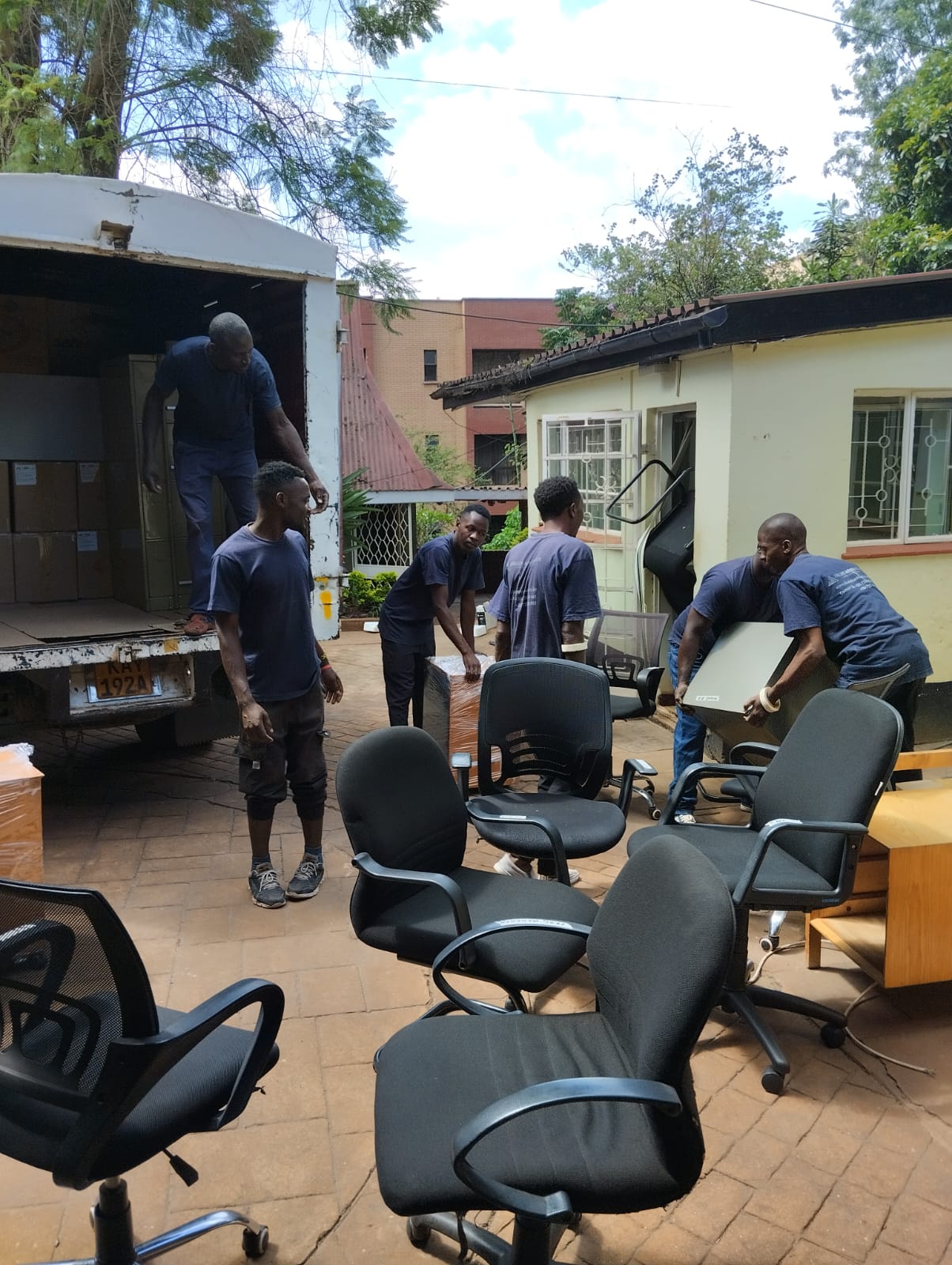
Start by examining your company’s current growth trends. How has your workforce changed over the past few years? Are you experiencing consistent growth in staffing, sales, or services? A detailed analysis of your historical data can provide insights into your future expansion needs. If you anticipate a rapid increase in headcount or product offerings, you’ll need to account for these in your move.
Identifying Key Areas for Expansion
Growth isn’t limited to just hiring more staff. It may also include adding new departments, increasing the range of services offered, or upgrading office technology. Identify which areas of your business are likely to expand the most:
- Staffing: Will you be hiring more employees? If so, how many, and what kind of workspace will they require?
- Equipment: Will your team need additional computers, servers, or other equipment that requires more space or improved infrastructure?
- Services: Are you planning to diversify your offerings? This might involve creating new workspaces or meeting rooms to cater to different client needs.
Projecting the Future Workspace Requirements
Once you have an understanding of your business’s growth trajectory and areas for expansion, the next step is to project the amount of space you’ll need in the future. A useful approach is to calculate your square footage needs based on the number of employees and types of workspaces you’ll require, such as individual workstations, meeting rooms, or collaborative areas.
Consider using flexible office designs that can adapt to changing needs. For instance, modular furniture or convertible spaces can accommodate both small teams and large meetings, allowing for more efficient use of space as your company grows. Additionally, think about storage needs for equipment, files, and supplies, especially if you expect these areas to expand.
Choosing the Right Location
Selecting the right location for your new office is crucial not only for the success of your current operations but also for accommodating future growth. Here are the key factors to consider when choosing a new office location:
Proximity to Clients, Employees, and Amenities
- Clients: Choose a location that is convenient for your clients. Easy access to your office can enhance client satisfaction and help maintain strong business relationships. Consider areas with good visibility and accessibility if client visits are frequent.
- Employees: The office should be in a location that is convenient for your employees. Proximity to public transportation and residential areas can improve employee satisfaction and reduce commute times. Ensure that the location is accessible from various parts of the city or region where your employees are based.
- Amenities: Access to nearby amenities, such as restaurants, banks, and gyms, can enhance the work experience for your team. An office located near these amenities can also be more attractive to potential hires.
Accessibility for Future Growth
- Transport: Consider the availability and quality of transportation options near your new office. Good transport links, including public transit and major roads, are vital for accommodating future growth. Ensure the location has potential for expansion in terms of transport infrastructure.
- Parking: Adequate parking is essential, particularly if you have a growing team or expect increased client visits. Check for available parking spaces and future parking development plans. This includes both on-site parking and nearby public parking options.
- Expansion Opportunities: Assess whether there are opportunities for future expansion in the vicinity. If your company outgrows the new space, having nearby areas available for lease or purchase can simplify future relocations or expansions.
Designing for Flexibility
Designing an office space with flexibility in mind is essential for accommodating future growth and changes in your business needs. Here’s how to create a workspace that can easily adapt as your company evolves:
Implementing Flexible Layouts
- Open Floor Plans: Consider open floor plans that can be easily reconfigured to suit changing needs. An open layout allows for versatile use of space and can be quickly adapted for different purposes, whether you need more workstations or larger meeting areas.
- Multi-Use Spaces: Design areas that can serve multiple functions. For example, rooms that can function as both conference rooms and collaborative spaces provide flexibility and can be adjusted based on current requirements.
Modular Workstations and Adjustable Office Spaces
- Modular Furniture: Invest in modular furniture that can be easily rearranged or expanded. Modular desks, partitions, and storage units allow you to customize and adapt the workspace layout without significant renovation.
- Adjustable Workstations: Provide adjustable workstations that can accommodate different working styles and team sizes. Height-adjustable desks and movable office partitions enable employees to work comfortably while allowing for easy reconfiguration as your team grows.
Creating Spaces That Can Be Repurposed
- Conference Rooms: Design conference rooms that can be converted into other types of spaces if needed. For instance, large meeting rooms with movable walls can be divided into smaller rooms for team meetings or training sessions.
- Collaborative Areas: Create flexible collaborative spaces that can be used for brainstorming sessions, team activities, or informal meetings. These areas should be easily adaptable and equipped with modular furniture to support different types of group work.
Technology and Infrastructure Upgrades
Upgrading your office technology and infrastructure is essential for supporting future growth and ensuring a smooth transition to your new workspace. Here’s how to future-proof your office:
Future-Proofing the Office with Scalable Technology
- Networking: Invest in a robust and scalable networking infrastructure. High-speed internet connectivity and sufficient bandwidth are crucial for supporting a growing number of devices and users. Consider setting up a network that can handle increased data traffic and easily accommodate future upgrades.
- Communication Systems: Choose communication systems that can scale with your company. VoIP (Voice over Internet Protocol) systems and unified communication tools should be flexible and able to integrate with future technologies. Ensure that your communication infrastructure supports remote work and collaboration.
Ensuring Your IT Infrastructure Supports Growing Needs
- Servers and Data Storage: Plan for scalable server solutions and data storage options. Depending on your company’s growth, you may need to upgrade or expand your server capacity. Cloud solutions can offer flexibility and scalability, allowing you to adjust resources as needed without the burden of physical hardware management.
- Cloud Solutions: Utilize cloud-based services for flexibility and scalability. Cloud solutions for data storage, collaboration tools, and software applications can easily scale with your company’s needs. Ensure your cloud services provider offers reliable performance and security features.
- IT Support: Ensure you have a reliable IT support system in place to address any issues quickly. As your company grows, having a dedicated IT team or a reliable managed service provider will help manage and maintain your technology infrastructure efficiently.
Planning for Future Equipment and Power Needs
- Equipment: Anticipate the need for additional equipment as your team grows. Ensure that your office layout includes space for future equipment such as printers, copiers, and specialized tools. Plan for electrical and network connections that can accommodate these needs.
- Power Requirements: Assess the power requirements for your expanding technology. Ensure that your office has adequate power supply and backup systems (such as uninterruptible power supplies) to handle increased load and prevent disruptions.
Budgeting for Long-Term Expansion
Effective budgeting is key to ensuring that your office move supports both current needs and future growth. Here’s how to approach budgeting for your move:
Estimating Costs for Current Move and Future Growth
- Initial Move Costs: Begin by estimating the costs associated with the immediate move. This includes expenses such as moving services, new furniture, and office renovations. Ensure that your budget reflects all necessary expenditures to avoid surprises.
- Future Growth Costs: Project costs for future expansion, including potential office upgrades, additional furniture, and technology enhancements. Factor in the possibility of needing more space or equipment as your business grows.
Budgeting for Potential Upgrades and Expansions
- Contingency Funds: Set aside a contingency fund to cover unexpected expenses during and after the move. This could include costs related to unforeseen repairs, additional equipment, or changes in office layout.
- Long-Term Investments: Plan for long-term investments in your office infrastructure. Consider setting aside funds for future technology upgrades, additional office space, or other enhancements that will support ongoing growth.
Hidden Costs to Consider
- Cabling and Wiring: Account for the costs of installing or upgrading cabling and wiring. Proper cabling is crucial for supporting your technology infrastructure and may involve additional expenses for installation and maintenance.
- Utilities: Factor in potential increases in utility costs, such as electricity, water, and heating/cooling. As your office grows, utility expenses may rise, so budgeting for these increases will help manage ongoing operational costs.
- Maintenance and Repairs: Include a budget for routine maintenance and repairs, which can help prevent costly issues down the line. Regular upkeep ensures that your office remains in good condition and can accommodate future needs.
Managing Employee Growth and Morale
Managing employee growth and maintaining morale during an office move are crucial for ensuring a smooth transition and continued productivity. Here’s how to approach these aspects:
Anticipating Changes in Staff Size and Creating Spaces That Promote Productivity
- Workspace Planning: Anticipate future changes in staff size and design your office to accommodate these changes. Create a flexible workspace that can be easily adjusted to add new workstations or reorganize existing ones. This might include modular furniture, adjustable partitions, and scalable meeting rooms.
- Productivity: Design workspaces that enhance productivity. Consider ergonomics, natural lighting, and quiet areas for focused work. Providing a variety of workspace options, such as open areas, private offices, and collaborative spaces, can help meet the diverse needs of your growing team.
Communicating the Move to Staff and Preparing Them for Future Changes
- Clear Communication: Keep your employees informed about the office move from the outset. Share details about the timeline, new location, and how the move will affect them. Transparency helps reduce uncertainty and fosters a positive attitude toward the transition.
- Feedback and Involvement: Involve employees in the planning process when possible. Gather feedback on their preferences for the new workspace and address any concerns they may have. This can increase buy-in and make employees feel valued during the transition.
- Change Management: Prepare staff for the changes that come with moving to a new office. Provide support and resources to help them adapt to the new environment. Offering orientation sessions and tours of the new space can help employees acclimate more quickly.
Incorporating Amenities That Cater to a Growing Team
- Break Areas: Include well-designed break areas where employees can relax and recharge. These spaces should be comfortable and equipped with amenities such as kitchen facilities, seating, and recreational options.
- Wellness Zones: Create wellness zones to support employee health and well-being. This might include areas for exercise, meditation rooms, or quiet zones where employees can unwind. Providing wellness amenities can enhance overall job satisfaction and productivity.