However, many businesses do not envision the entire gamut of expenses involved in office relocation and hence often estimate just the apparent costs of the moving company or transportation. Realistically, there are enough hidden costs that can drain the budget substantially.
To this end, understanding these hidden costs becomes critical for a business to avoid an unexpected financial squeeze and disruption in operations. Quite logically, discovering the extent of such costs well in advance would afford any company a better chance at making improved resources available for the transition of their business to its new location. The following article brings into light The Hidden Costs of Office Moving and How to Avoid Them.
The Hidden Costs of Office Moving and How to Avoid Them
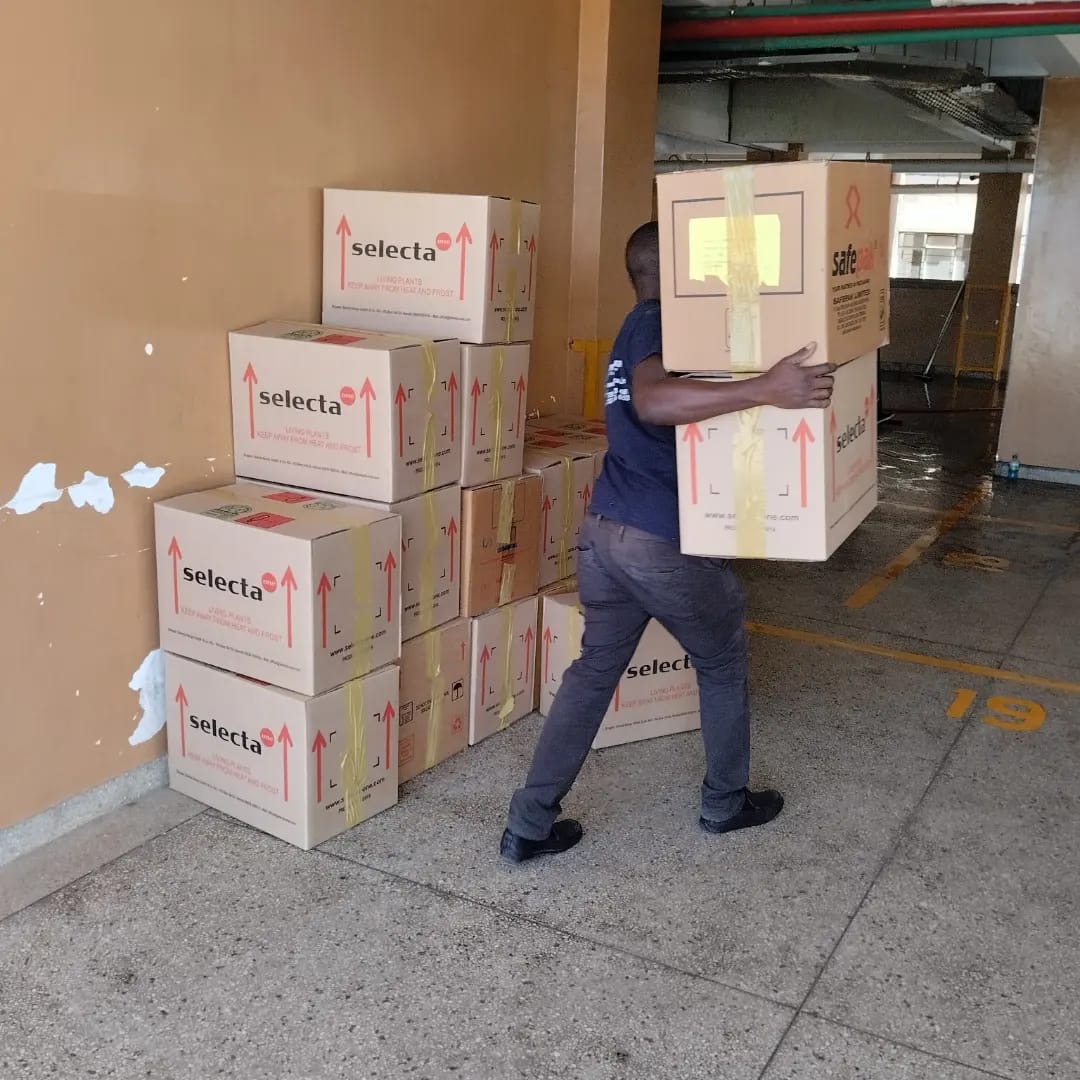
Types of Hidden Costs
Unplanned Downtime
Downtime impact: the single most important impact your business can have in the case of an office relocation is unplanned downtime. In general, this usually means a period in which your business needs to stay non-operational because of the moving process. Delays in service delivery, missing deadlines, and general disruption in daily activities are some of many repercussions that may result from this. That, of course, depends on how efficient the move is managed and how well-planned the transition is.
Examples of Downtime Costs:
Lost Business: Whenever operations go down, so do the revenue-generating activities. It might hit an organization concerning direct loss of income, particularly for those operations relying on highly service-oriented tasks or those involving a high client turnover.
Compensation to Customers: Companies could be liable to give compensation or discounts to clients inconvenienced due to delays or disruption to service, adding to costs.
Emergency Repairs: If the move is not done gracefully, there could be some unforeseen issues for which emergency repairs or quick fixes will be needed-additive to the overall cost.
Hidden Packing and Unpacking Costs
Costs of Packing Materials: Packing materials are a very valuable asset in moving your office equipment and documents safely. However, high-quality packing material can be costly. It includes boxes, bubble wrap, packing peanuts, tape, and other supplies that may be required. Businesses may also be in a position where they need to buy more specialized materials for fragile or more valuable items.
Labour Costs of Packing and Unpacking: There is a lot of labor cost included in packing and unpacking when outsourced. This may include the cost of hiring professional packers and unpackers; internally setting up resources for the same purpose; wages, overtime, and temporary workers to expedite the process.
Costs of Disruption to Employees
Employee Productivity Loss: During an office relocation, an employee’s productivity may go down because of disturbed work environments. The employees waste time on moving issues, such as installing a new workspace or temporary service interruptions. Productivity loss contributes to overall declines in corporate performance, which slows down project timelines.
Increased Absenteeism: All the stress and inconvenience of an office relocation may create increased absenteeism. The employees will have to take time off due to physical or emotional strain that may further impact productivity, including stress on remaining staff.
Insurance and Liability Costs
The office equipment may get damaged: an office relocation has always involved the possibility of damaging valuable office equipment, including computers and printers at work and office furniture. In case any of those things gets damaged, it could involve costly repairs or replacement, and businesses should be covered against such risks.
Additional Insurance Costs: In case of any damages or loss, the firms may need to purchase additional insurance. This may include moving insurance or rider policies or that related to office relocations. The cost of this additional insurance is yet another addition to the move costs.
Cost of New Location
Renovation and Setup Costs: Many times, the new office location may need renovations or modifications to suit your business needs. This will involve painting, installing new fixtures, or configuring workspaces, among other things. The costs towards such setups can be pretty high, depending on the magnitude of renovations needed.
Utility Setup Fees and Deposits: Most utilities requiring setup at the new location-electricity, water, and internet-can sometimes come with fees and deposits. These are necessary to ensure that the new office is complete but can often be an overlooked expense when planning the move.
How to Avoid Hidden Costs
Draw up a relocating plan with details such as timelines, roles, and responsibilities and the resources needed. Consider activities: packing, transport, fixing at the new location, and commencing operations.
Contingency Budgeting:
Take 10-15% of the estimate and set it aside for surprises, such as delays or repairs.
Screening Moving Companies and Obtaining Estimates with Items:
Research movers, read reviews, and ask for itemized estimates. Make sure the movers have experience in moving offices. It is important to closely review this kind of quote so you understand what will be included in the services, like packing, insurance, and set-up, so as not to get hidden charges.
Hints for Packing Efficiently:
Clearly label boxes, use the right packing materials, and do systematic packing by department to avoid confusion at the new location. You may also want to consider enlisting the services of professional packers to take care of this efficiently. In fact, it limits the chances of damage, and this could even lessen the time you need to get settled.
Communicating Effectively with Employees:
Keep all staff informed regarding the moving schedule, expectations, and their responsibilities in the process. Transparency reduces stress levels and minimizes lost productivity. Anticipate potential work disruptions and provide alternatives, such as working from home or adjusting hours, that will minimize lost time.
Insurance Types to Consider:
Supplement your existing office insurance with moving insurance to include damages, loss, or delays. High-value equipment and sensitive data needs to be specifically mentioned and included in your insurance policy while it is in transit.
Conclusion
Knowing how to locate and control these hidden costs is the key to a successful office transition. The major hidden costs will include unplanned downtime, unexpected packing and unpacking costs, disruption of employees, additional insurance, and setup costs at the new location. If a business takes care of these areas beforehand, it can save itself from falling into financial crises and hence allow the process of moving to be highly efficient.
Final Tips for a Cost-Effective Office Move:
Plan in Depth: Design a comprehensive moving plan and budget for anticipated and unanticipated expenses.
Pick the Appropriate Mover: Carefully research movers and ensure an understanding of every element of their estimates.
Plan for Downtime: Communicate effectively with your employees and plan ahead to minimize disruptions.
Get Sufficient Insurance Coverage: Ensure that your insurance covers all the risks that may arise during the move.
Knowing the possibilities of additional costs and planning in advance will make a world of difference in the success of your office relocation. Being prepared, a business will thus sail through the process of relocating with as little inconvenience as possible and avoid costly mistakes.