Moving to a new residence in Nairobi might present both opportunities and difficulties. There are many things to handle, from packing up your stuff to relocating to a new neighborhood. A stress-free move is mostly dependent on meticulous planning and organization. This manual will take you through all the necessary processes to make sure your move to Nairobi goes well.
A Step-by-Step Guide to Organizing Your House Move in Nairobi
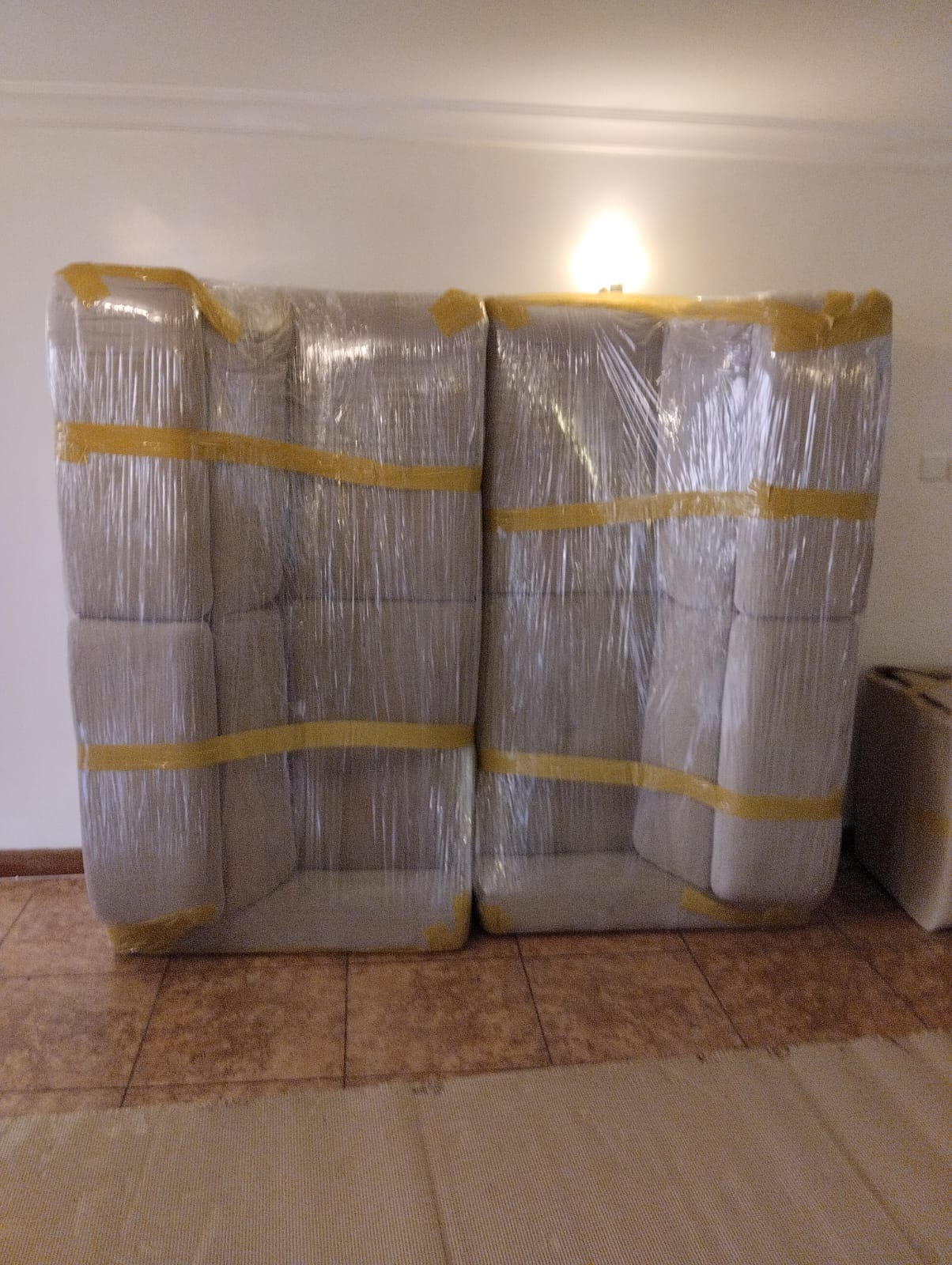
Planning Your Move
1. Set a Moving Date
- Consider Factors: Choose a date that suits your schedule, keeping in mind factors like the availability of your moving company, peak moving seasons, and any significant dates like school terms if you have children.
- Flexibility: If possible, allow some flexibility in your date to accommodate any unforeseen changes.
2. Create a Moving Budget
- Estimate Costs: Calculate potential expenses, including:
- Moving Services: Get quotes from different moving companies for a better understanding of the rates.
- Packing Supplies: Budget for boxes, tape, bubble wrap, and markers.
- Storage: If you need temporary storage, include these costs in your budget.
- Miscellaneous Expenses: Consider costs for changing addresses, utility deposits, and any other incidental expenses.
3. Research Moving Companies
- Get Quotes: Contact multiple moving companies to get quotes and compare their services.
- Compare Services: Look into what each company offers, such as packing services, insurance options, and the availability of moving trucks.
- Check Reviews: Read reviews and ratings to gauge the reliability and reputation of the companies. Personal recommendations can also be valuable.
4. Gather Necessary Documents
- Collect Important Documents: Ensure you have all necessary paperwork in order, including:
- Leases or Purchase Agreements: Have a copy of your current lease and any new agreements.
- Utility Bills: Gather recent utility bills to update your new address.
- Identification: Keep identification documents handy for any required verification during the move.
Decluttering and Packing
1. Declutter
- Sort Through Belongings: Before you begin packing, take the time to go through your items and decide what you truly need. This will not only make your move easier but also help you start fresh in your new home.
- Get Rid of Unwanted Items:
- Sell: Consider selling items that are still in good condition but no longer needed. Online platforms or garage sales can be effective for this.
- Donate: Donate usable items to charities, shelters, or community organizations. This is a great way to give back and help others.
- Discard: For items that are broken or beyond repair, responsibly dispose of them according to local waste management guidelines.
2. Packing Strategies
- Start with Non-Essential Items: Begin packing items that you use less frequently, such as seasonal clothing, holiday decorations, or extra kitchenware. This allows you to gradually work towards packing the essentials.
- Label Boxes Clearly: To make unpacking easier, clearly label each box with its contents and the room it belongs to. This will help movers and yourself quickly find and place items in the appropriate rooms.
- Use Color-Coded Labels: Assign different colors for different rooms (e.g., blue for the kitchen, red for the living room). This visual aid can speed up the sorting process during unpacking.
3. Packing Fragile Items
- Use Proper Packing Materials:
- Bubble Wrap: Wrap fragile items such as glassware, ceramics, and electronics in bubble wrap for extra cushioning.
- Packing Paper: Use packing paper to fill gaps in boxes and protect items from shifting.
- Foam Peanuts: Consider using foam peanuts or other cushioning materials for added protection.
- Packing Techniques: Ensure that fragile items are packed tightly but not too tightly, and always label boxes containing fragile items to alert movers to handle them with care.
4. Packing Essentials
- Prepare a Suitcase: Pack a suitcase with all the essentials you’ll need for the first few days in your new home. This should include:
- Clothing: A few changes of clothes for different weather conditions.
- Toiletries: Basic personal care items like toothpaste, shampoo, and soap.
- Important Documents: Keep important documents, such as IDs, insurance papers, and moving paperwork, in a secure, easily accessible place.
- Basic Kitchen Items: Include a few kitchen essentials like a coffee maker, utensils, and some non-perishable snacks.
Arranging Moving Services
1. Contact Moving Company
- Confirm Moving Date and Time: Once you’ve chosen a moving company, confirm the date and time of your move. Ensure that the company is clear about when they will arrive and what time they plan to start the moving process.
- Discuss Services: Clarify the services included in your moving package. This might include packing, loading, unloading, and unpacking. If you need additional services like furniture disassembly or assembly, make sure to discuss and arrange these as well.
- Provide Details: Inform the moving company about the volume and type of your belongings. Mention any special requirements, such as handling delicate items or moving large furniture. This helps the company prepare appropriately and provides you with an accurate estimate.
2. Coordinate Logistics
- Arrange Access to Homes:
- Current Home: Ensure that the moving company has clear access to your current home. If you live in an apartment or a building with restricted access, notify your building management in advance and arrange for any necessary permits or parking arrangements.
- New Home: Similarly, confirm that there will be no access issues at your new home. Make sure that movers can park close to the entrance and that the path to the entryway is clear of obstacles.
- Plan for Parking and Traffic:
- Parking: Arrange for convenient parking for the moving truck at both locations. If parking is limited or requires a permit, plan ahead to avoid delays on moving day.
- Traffic: Consider potential traffic issues or road closures on the day of the move. Plan your route and adjust your schedule if needed to ensure timely arrival at both locations.
Moving Day
1. Prepare for Moving Day
- Charge Devices and Pack Essentials: Ensure that all your electronic devices, such as phones, tablets, and laptops, are fully charged. Pack essential items, including chargers, medications, and basic toiletries, in a separate bag or box for easy access during and after the move.
- Arrange for Pets or Childcare: If you have pets or young children, make arrangements for their care on moving day. Consider having a friend or family member look after them, or use a pet-sitting or childcare service to keep them safe and comfortable.
- Keep Important Documents with You: Keep all important documents, such as identification, moving contracts, and any valuable paperwork, in a secure and easily accessible place. This ensures that you have everything you need for a smooth transition and prevents loss during the move.
2. Supervise Movers
- Ensure Safe Loading and Unloading: Supervise the movers to ensure that your items are handled with care. Verify that furniture and boxes are loaded and unloaded properly to prevent damage.
- Check for Damage: As items are unloaded at your new home, check for any damage or missing items. Document any issues immediately and report them to the moving company to address any claims or repairs.
Settling into Your New Home
1. Unpack Essentials
- Set Up Bedroom and Kitchen First: Prioritize unpacking and setting up essential areas such as your bedroom and kitchen. This will help you quickly settle in and make your new home functional for daily living.
- Gradually Unpack Other Rooms: Once the essentials are taken care of, begin unpacking other rooms at a manageable pace. Take your time to organize and arrange items in each room to suit your preferences.
2. Explore Your Neighborhood
- Familiarize Yourself with the Area: Take some time to explore your new neighborhood. Locate nearby amenities such as grocery stores, schools, medical facilities, and public transportation options. This will help you feel more at home and comfortable in your new environment.
3. Update Your Address
- Inform Government Agencies: Notify relevant government agencies of your new address, including the postal service, tax authorities, and any other official bodies.
- Notify Friends and Family: Update your address with friends, family, and other personal contacts. This ensures that you continue to receive correspondence and that your network is aware of your new location.
Conclusion
Reducing stress and guaranteeing a seamless transfer need careful planning and preparation. You may take care of possible problems before they happen by preparing every step of the process, from initial planning to moving into your new house. A smooth transition is further enhanced by efficient implementation, which includes frequent updates of your address and thorough oversight of the movers. You may minimize the chance of problems and handle your move more effectively by adhering to these suggestions.