Moving an office internationally involves far more than packing up desks and computers; it’s actually quite a complex process that involves coordination from practically every sector, be it logistics, issues of legality, relocation of employees, or IT infrastructure. International office moves often involve the shipment of equipment overseas, adhering to foreign regulations, with minimal disruption to business operations.
It could be due to expansion, better market opportunities, or any other business needs; international office relocation has in store some great opportunities for growth. This article will take you through the best ways of handling international office relocations from Nairobi.
How to Handle International Office Relocations from Nairobi
Set Up a Timeline
Arguably, the first and most vital step for any office move across international boundaries is developing a highly detailed timeline that takes into consideration all phases involved in the process of moving the office right from the initial stages to the final touches. This must comprise key milestones like choosing a moving company, visas, and permits, packing and shipping of equipment, and installation of the new office. Also, buffer time for any unexpected delays on shipping or customs clearances.
Identifying Key Stakeholders and Decision-Makers
An international office move affects many groups within an organization, from management to the HR, IT, and legal departments. First, there is a need to identify major stakeholders right at the beginning and develop a clear line of communication among the stakeholders. These are the individuals who will be responsible for making final decisions in areas such as the selection of the moving service provider, employee needs, or legality of the law.
Scope of the Move: Assessment
It would be relevant that, before the actual delving into the relocation logistics, some assessment of the whole relocation scope be done. This would include an inventory of office equipment, furniture, and IT systems that have to be relocated. Additionally, it will be important to determine the number of employees who will have to relocate or work from home during the transition period.
The result of this will also give you an estimate of the shipping containers or freight options required, how much manpower would be needed to execute the move, and what resources would be required for setting up the new office. It also gives a better understanding as to the complexities that are involved, such as the moving of sensitive IT equipment which could require specialized handling and installation at the new location.
Budgeting for International Moves
Setting a budget is always a very important part of any move planning, especially when it relates to international relocations. The costs can easily start to rack up, and if a budget has not been set, the unexpected costs may throw the whole project off course. Besides obvious moving services and shipping fees, there are also ‘hidden’ ones, including customs duties, taxes, and import/export fees. Such fees are subject to change depending on a particular destination country and items that move.
Along with these, other services should also be budgeted for, including office equipment insurance, temporary office space in the new location, and extra time spent on shipment or setup delays. Lastly, a business needs to add to the budget employee relocation packages, which entails housing and travel, and various visa issues.
Hiring the Right International Moving Company
Research moving companies that have extensive experience in international moves
The right moving company can make all the difference when it comes to an international office relocation. It is very important that one researches moving companies that are experienced in international relocations and have good records of success. Find companies that understand the unique challenges of moving office equipment across borders-from navigating customs regulations to the safe transport of sensitive technology. It is well worth reading customer reviews and testimonials, as these will often provide a clear insight into how reliable and professional a company actually is.
Checking Credentials and Certifications – FIDI, IAM, etc
Certification and affiliations from worldwide moving organizations are also some of the more vital pointers to a proper international moving company. Among these, there exist two major certifications; they include:
FIDI : FIDI lays down quality standards for international movers. This certification makes sure that companies will follow rigid rules regarding service spheres, insurance, and practices of handling. Companies accredited by the FIDI must be trusted with a further level of confidence.
IAM: IAM stands for International Association of Movers, an international moving and logistics trade association. IAM membership indicates that a mover belongs to a professional network at international levels based on the quality and compliance of service provision.
Other certifications or partnerships with local and global regulatory bodies further ensure that the company is informed about international shipping laws and best practices, which in turn further assures a smooth relocation.
Getting Correct Estimates and Understanding the Services Provided
After compiling your list of moving companies, it’s time to get a correct estimate of your moving cost. An on-site assessment will give a company an opportunity to get an idea of the volume and nature of shipment involved and give you a closer estimate. Make sure to request a detailed breakdown of the costs of shipping, packing, handling, and other additional fees, including customs or insurance.
Also, find out what services the company offers. Do they handle customs clearance? Are they going to help with packing and unpacking? Are they partnered with companies in the country that one is relocating to for seamless transition? Knowing precisely what services are provided will help one avoid hidden costs and surprises during relocation.
Navigating International Regulations and Customs
Understanding Customs Requirements for Different Countries
Customs regulations vary considerably between countries, and adhering to the requirements is probably the most important thing to do in any international office relocation. Planning of shipment of office equipment and materials should be done on the basis of particular customs procedures in the destination country. This consists of inventory, declaration of value, and other formalities like duties and taxes payable.
Failure to comply will result in delays, additional fees, or even confiscation of items. Most international moving companies offer customs brokerage to make this aspect of the process easier because the broker will ensure that all paperwork is filed correctly and on time.
Export/Import Regulations for Office Equipment and Technology
Because of this, some countries have strict regulations on what can be exported and imported, so it is a good idea to declare office equipment, in particular electronic devices and IT systems. Special permits may be required for certain types of technologies, while other ones, like those dealing with servers and encrypted hardware, have special import limitations. Other times, such technology must be registered or even inspected prior to arriving in a given country. These are needed to be researched beforehand in order to not face extensive and expensive fines or delays at customs.
Legal Documentation: Visas, Work Permits, etc
Such legal documentation may include a visa or work permit. It is very important to ensure all moving staff have the correct legal documents prior to the move to the new location. It may take several weeks or even months. Therefore, one needs to start early enough. The human resource department should liaise well with the legal teams and the consulate from the country where they are relocating.
Compliance with International Business Laws and Trade Agreements
Relocating an office internationally, businesses also need to find out the legal environment in the country of origin and the receiving country. This involves understanding trade agreements that could affect the price or legality of moving goods and compliance with local regulations in the new location in respect of conducting business.
For instance, there are other countries that have licenses or permits for the operation of specific kinds of businesses, and failure to obtain these may lead to legal penalties or disrupt one’s business. Being conversant with international trade agreements can also aid in cost-cutting measures in different ways, such as through exemptions from duty or preferential tariff rates for certain items or countries.
Logistics and Coordination
Shipping Methods: Air vs. Sea Freight
The selection of the best shipping method is a significant part of arranging an international office move. Of course, there are two main options available, including air freight and sea freight. Each of these has its own set of advantages and disadvantages:
Air Freight
It is relatively faster and, as such, is most suitable for urgent relocation matters or urgent shipment cases. However, it is quite costlier compared to sea freight. Besides, there is mostly a strict weight and size limit. The high-value or sensitive items-for instance, servers, office crucial documents, or equipment needed right on arrival-are most suitable for air freight.
Sea Freight
When cost-efficiency is more crucial than speed, sea freight will always be the best option. It handles larger and heavier shipments, hence it is ideal for furniture, big office equipment, and bulk items. On the other hand, sea freight takes several weeks or even months to reach their destination, so one needs to strategize well in order not to be disrupted in their business operations when waiting for important equipment.
Packing and Securing Sensitive Office Equipment: Servers, Computers, etc
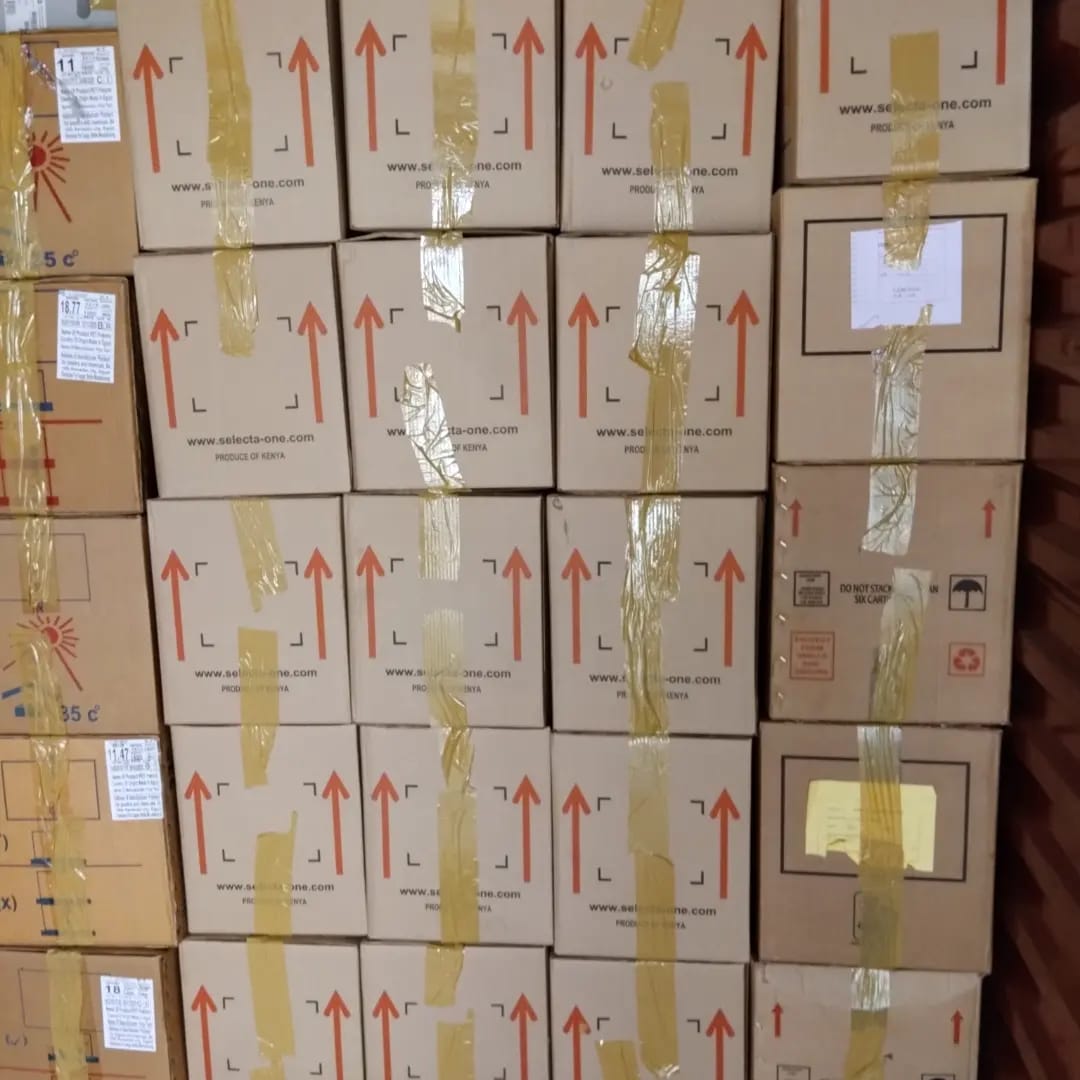
Sensitive office equipment, in particular servers, computers, and networking hardware, require a great deal of care during packing and transportation. Anti-static and shock-absorbent materials are required for sensitive equipment so that any jerk or vibration during transport does not harm it. This is best left to professional packers who have experience in the handling of fragile office electronics.
To this end, all data should be backed up before packing, and all equipment disconnected and dismantled. The labelling of all equipment and cables will also facilitate quick build-up in the new office. Furthermore, it needs to be ascertained whether any of the technology may be affected by import or export restrictions in certain cases involving encryption or sensitive data.
Scheduling the Move-In Date with the New Office Space
This means that you will need to plan your move so that there is proper coordination between the date of departure from your old office and the date of occupation of your new space. You would, if possible, want to be setting up the new office before the equipment and staff start arriving. These include utilities, internet connections, and office infrastructure that should already be in place for minimal losses consequent to downtime.
Be clear with the movers over deadlines and dates of delivery. You can even negotiate temporary storage with your moving company in case there is a possibility of delays in setting up the new office.
Working with Local Agents in Destination Country for Smooth Transition
Working with local agents or partners in the destination country helps quite a bit in easing logistics of the international relocation of an office. The agents are conversant with the prevailing local regulations, customs procedures, and transportation infrastructure that may help the process of relocation be smooth and avoid unnecessary delays.
It will be local movers who can deliver the shipment and ensure that customs formalities are smoothly conducted down to the last mile: delivering the goods to your new office. Furthermore, a local contact will ease the pain of dealing with problems regarding missing paperwork all the way to logistical ones in setting up the new space.
Setting Up the New Office
It is important that the new office is ready for immediate occupancy before the arrival of your team. This includes buying and setting up furniture, workstations, and basic office supplies. This is better done in advance through a local team or contractor to ensure everything is ready upon the arrival of the employees. Secondly, it is important that internet and telecommunications infrastructure are installed well in advance to avoid any kind of downtown.
IT Infrastructure Management and Data Migration
First of all, take a close look at auditing your current technology needs in servers, computers, and networking equipment. You’ll need to make arrangements for the safe transport and reinstalling of your IT infrastructure in order to minimize business disruption. Data migration is another important thing. If you’re moving your servers or data centers, plan for secure backups of data and safe transfers of critical business information.
Local Compliance and Building Regulations at the Destination Country
Local experts or legal teams will help you in understanding what is the required compliance law for office setup at the destination, especially electrical wiring, environmental standards, and workplace safety. Otherwise, non-compliance may risk receiving fines, delays, or even closure of your new office.
Communicating with Clients and Partners
Good communication with the clients and business associates will help you continue enjoying good relations during this period of office relocation. Inform them in advance about the move, including the dates and disruption in service provision, if any. The communication may be sent through e-newsletters, through announcements on the website, or personalized for high-priority clients.
Be very transparent about how the move may impact timelines, deliverables, or response times to customers. If possible, share how your new office will benefit operations or capacity for service in the future. Assure them that this move will not delay any ongoing projects. This will help you win and retain their trust.