Any firm might experience great changes and challenges when they relocate their offices, making it a momentous occasion. Effective team preparation is essential to guaranteeing a seamless transition and reducing work interruptions. This post seeks to offer a thorough how-to manual for team members anticipating a forthcoming office relocation, emphasizing essential actions for efficient communication, thoughtful planning, and stress-free transition management.
How to Prepare Your Team for an Upcoming Office Move
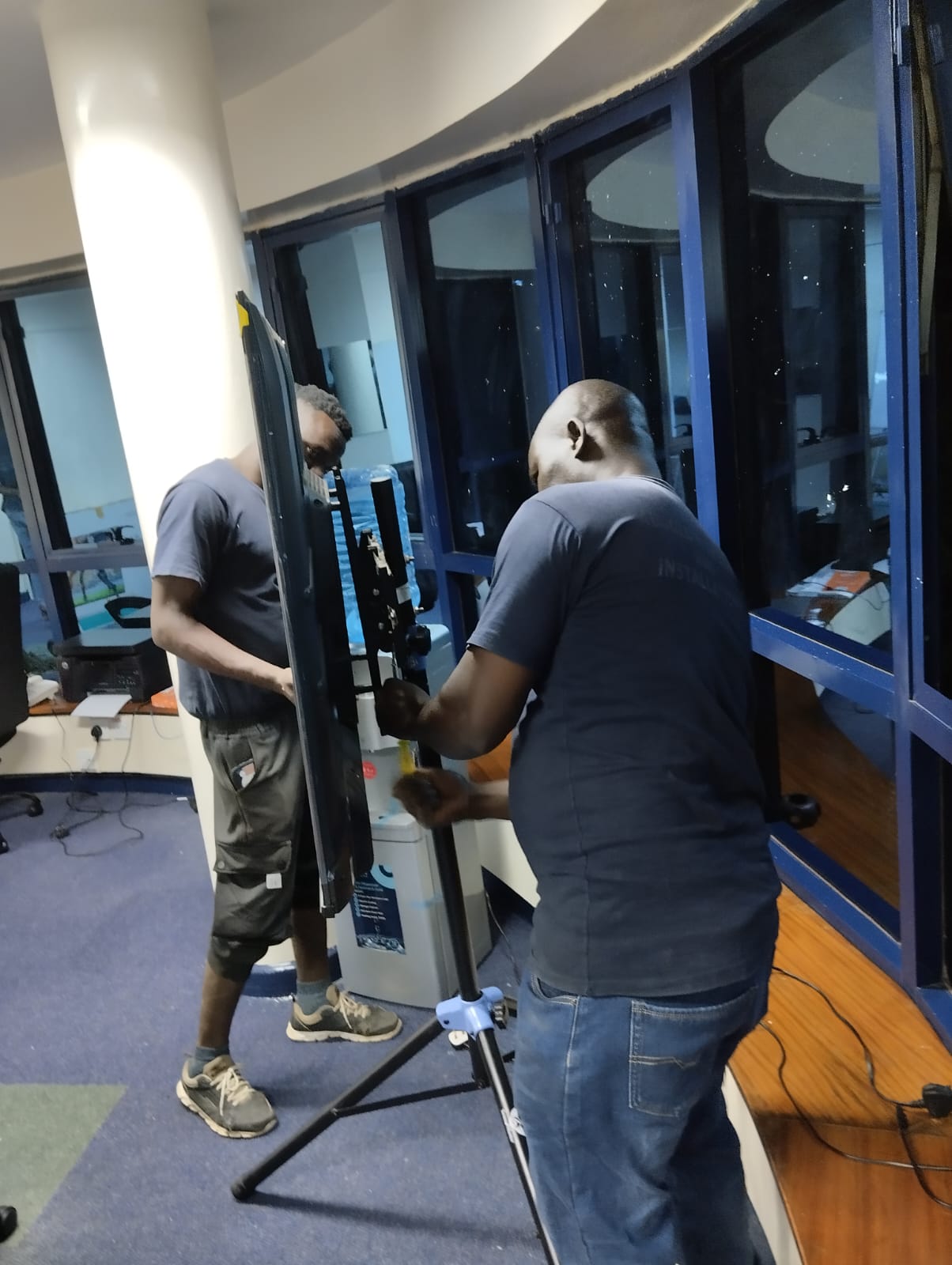
The first and foremost step in preparing your team for an office move is to communicate the details as early as possible. As soon as the move is confirmed, share the news with your team to avoid any surprises. Providing a clear and comprehensive timeline will help everyone understand the scope of the move and how it will impact daily operations. Outline key dates, such as the moving day, the last day in the current office, and the first day in the new location. This transparency helps to manage expectations and reduces uncertainty.
Regular Updates
Effective communication doesn’t stop with the initial announcement. Schedule regular meetings or updates to keep everyone informed throughout the moving process. These updates should include progress reports, any changes to the timeline, and additional details that may affect the team. It’s also essential to create an open channel for addressing any concerns or questions that arise. Regular communication helps to keep the team engaged, informed, and prepared for the transition.
Designate a Move Coordinator
A move coordinator plays a pivotal role in ensuring a seamless transition during an office move. Their primary responsibilities include overseeing the entire moving process, coordinating between different teams, and managing logistics to ensure that everything is executed smoothly. The move coordinator acts as the point of contact for any issues that arise, facilitating communication between the moving company and internal departments. They also ensure that all aspects of the move, from packing to setting up the new office, are completed on schedule.
Responsibilities of the Move Coordinator
- Planning and Organization: Develop and maintain a detailed moving plan, including timelines, checklists, and key milestones.
- Communication: Serve as the central hub for all communications related to the move, keeping both the team and external vendors informed.
- Logistics Management: Oversee the logistical aspects of the move, including scheduling, transportation, and setup.
- Problem Solving: Address any issues or obstacles that arise during the move, providing solutions to ensure minimal disruption.
- Coordination: Work closely with various departments to ensure their specific needs are met and that they are prepared for the transition.
Assess and Plan for Departmental Needs
Departmental Requirements
Each department within your organization may have unique needs and requirements during the office move. It’s essential to discuss these needs with department heads or managers to ensure that specific requirements are addressed. This may include special considerations for specialized equipment, sensitive documents, or unique workspace configurations. By understanding the specific needs of each department, you can make appropriate arrangements and avoid any disruptions to their operations.
Plan for Specialized Equipment or Setup
Some departments may have specialized equipment that requires careful handling or setup. For instance, IT departments might need specific arrangements for server relocation or new workstation setups, while other departments may have unique furniture or machinery that needs to be transported and reassembled. Planning ahead for these specialized needs will help ensure that all equipment is properly handled and set up in the new office.
Workspace Layout
Involving departments in the planning of their new workspace is crucial for ensuring that the new office layout meets their needs and preferences. Gather input from department heads about their ideal workspace setup, including desk arrangements, meeting rooms, and storage solutions. This collaborative approach not only helps in creating an efficient and functional workspace but also boosts employee satisfaction by accommodating their preferences.
Develop a Moving Checklist
Pre-Move Tasks
Creating a detailed checklist for tasks to be completed before the move is essential for ensuring a smooth transition. Here are some key items to include:
- Packing:
- Inventory all items that need to be packed and determine the packing materials required.
- Assign packing tasks to specific teams or individuals to streamline the process.
- Pack non-essential items first and label boxes clearly with their contents and the destination room in the new office.
- Labeling:
- Clearly label all boxes and equipment with detailed information about their contents and their new location.
- Use color-coded labels to help quickly identify which department or area the items belong to.
- Notifying Relevant Parties:
- Inform clients, suppliers, and other external contacts about the move and provide them with your new address and contact details.
- Update your contact information on your website, social media profiles, and business directories.
- IT and Equipment Preparation:
- Back up all important data and ensure that IT equipment is prepared for disconnection and transport.
- Arrange for the transfer or reconfiguration of any phone systems, internet services, and other essential technology.
Post-Move Tasks
Once the move is complete, there are several tasks to address to finalize the transition:
- Setup:
- Unpack and arrange furniture, equipment, and supplies in their designated areas.
- Ensure that all workstations, meeting rooms, and common areas are set up according to the new layout plan.
- Testing:
- Test all IT systems, including computers, printers, and network connections, to ensure they are functioning correctly.
- Verify that all phone lines and internet connections are active and operational.
- Addressing Issues:
- Identify and address any issues or discrepancies from the move, such as missing items or damaged equipment.
- Conduct a walk-through of the new office with department heads to ensure that everything is in place and functioning as expected.
Organize Training and Resources
Training Sessions
Providing training on new systems or equipment is crucial to ensure that your team can quickly adapt to the new office environment. Consider the following:
- New Systems:
- If there are new IT systems, office equipment, or software being introduced in the new office, arrange for training sessions to familiarize employees with these tools.
- Schedule these training sessions well in advance of the move to allow employees to become comfortable with the new systems before they are needed.
- Office Procedures:
- Provide training on any new office procedures or workflows that will be in place in the new location. This might include changes in how meetings are scheduled, how equipment is managed, or how office resources are accessed.
- Transition Guides:
- Create and distribute guides or manuals that provide information on the new office layout, available facilities, and any new processes or tools.
Support Resources
Identifying key contacts for support during the move can help address any issues that arise promptly and efficiently:
- Internal Contacts:
- Designate a few key team members who will be available to help with any immediate questions or issues during the transition period.
- External Contacts:
- Ensure that there are clear points of contact with moving services, IT support, and any other vendors involved in the move. Provide these contacts to your team so they know whom to reach out to if they encounter problems.
Address Team Concerns and Morale
Managing Anxiety
Office moves can be stressful and may cause anxiety among team members. Here’s how to manage it:
- Acknowledge Concerns:
- Recognize and validate any concerns or anxieties that employees may have about the move. Openly address their worries and provide clear information to help alleviate fears.
- Offer individual or group meetings to discuss specific concerns and provide reassurance.
- Provide Support:
- Implement support systems such as counseling services or stress management workshops if needed.
- Ensure that employees feel heard and supported throughout the transition.
Boosting Morale
Maintaining high morale is essential during a transition. Here’s how to boost team spirit:
- Team-Building Activities:
- Plan activities that encourage team bonding and relieve stress, such as team lunches, social events, or informal gatherings.
- Organize a “welcome back” event in the new office to celebrate the move and help employees acclimate to their new environment.
- Incentives and Recognition:
- Offer incentives or recognition for employees who contribute positively to the moving process or demonstrate flexibility.
- Consider small rewards or gestures of appreciation, such as gift cards or extra time off, to acknowledge their efforts.
Conclusion
A team’s preparation for an office transfer entails careful execution, good communication, and cautious planning. You may guarantee a more seamless transition to the new office by attending to important aspects including early communication, relocation coordination, departmental needs, logistics, and team morale. Furthermore, concentrating on feedback gathering and ongoing improvement facilitates future relocations and improves the relocating process. You can guarantee that your team settles into their new workplace and create the conditions for a successful office relocation by adhering to these best practices and staying proactive throughout the moving process.