Intellectual property, office supplies, and private documents are essential to a business’s operations. Any of them that become damaged or misplaced might cause delays in business, extra expenses, and even legal repercussions. By safeguarding these assets, you can prevent extra costs from arising from asset replacement or repairs, maintain client trust, and guarantee business continuity. We’ll talk about How to Protect Company Assets During an Office Move in this article.
How to Safeguard Company Assets During an Office Move
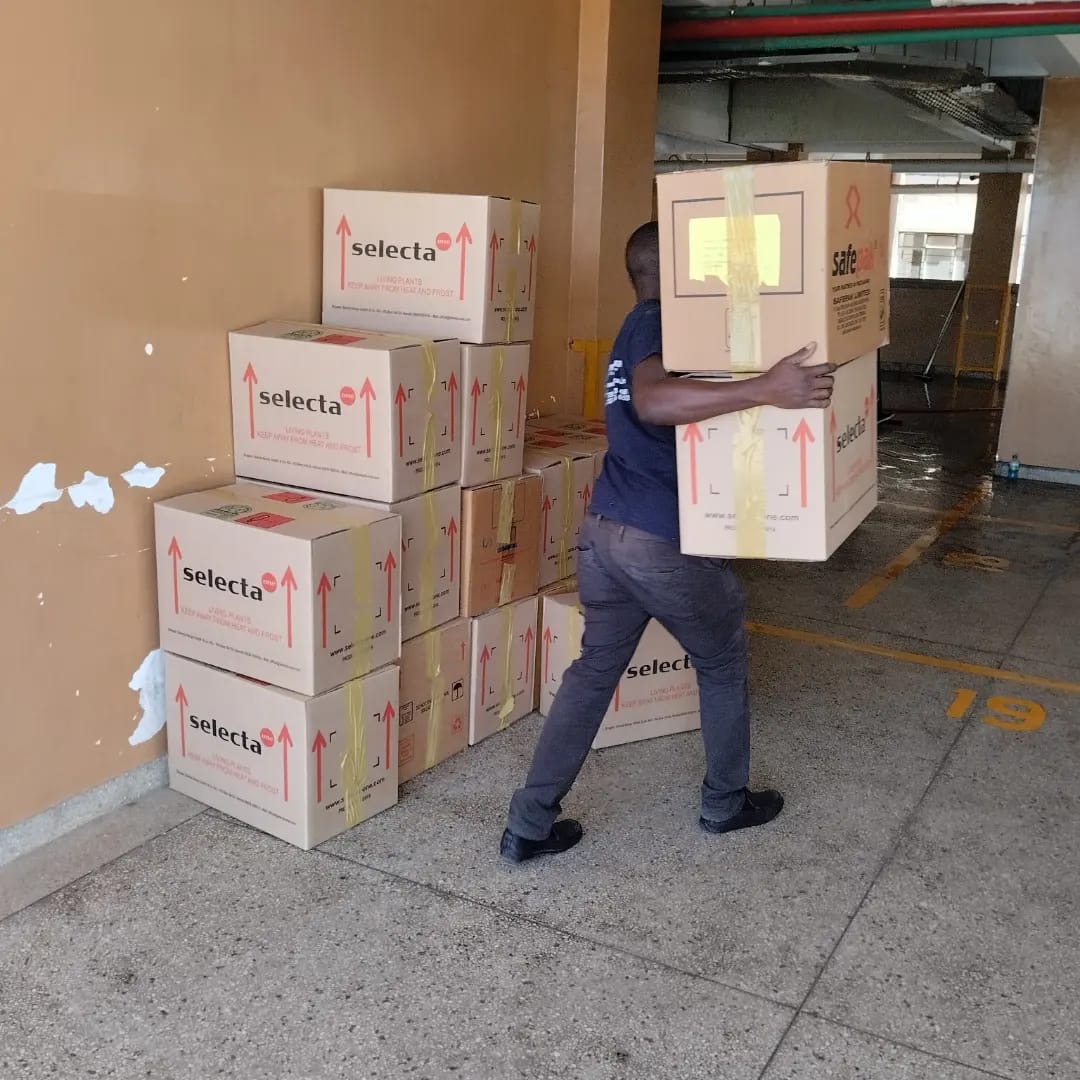
Before the move, create a comprehensive inventory of all company assets, including office equipment, furniture, electronics, and important documents. Document the condition and quantity of each item, noting serial numbers for high-value items like computers, servers, or printers. This inventory will help track items during the move and provide a reference point in case anything is damaged or lost. Additionally, having a clear record of your assets ensures smoother claims with insurance companies if needed.
Assigning Roles and Responsibilities to Staff
A successful move requires teamwork, so it’s essential to assign specific roles to staff members. Designate team leaders responsible for overseeing different aspects of the relocation, such as packing, asset management, and post-move setup. Delegating tasks ensures that all areas of the move are covered and that nothing is overlooked. For example, IT staff can be responsible for disconnecting and packing electronic equipment, while HR can handle securing confidential employee records.
Coordinating with Professional Moving Companies
Selecting a reputable moving company is critical to protecting your assets. When vetting potential movers, inquire about their experience with office relocations and their handling of high-value or sensitive items. Ensure the company offers adequate insurance coverage for your assets and understands the importance of maintaining security during the move. It’s also important to establish clear communication with the moving team, coordinating schedules and outlining your specific requirements for handling fragile or valuable items.
Securing Important Documents and Sensitive Data
One of the most critical aspects of an office move is protecting sensitive information. Before the move, back up all digital data and store it securely off-site or in the cloud to prevent data loss in the event of damage to physical devices. For physical documents, use locked, tamper-proof containers to transport confidential records securely. If necessary, consider digitizing sensitive documents before the move, reducing the risk of theft or loss during transit.
Labeling and Organizing Items for Easier Tracking
Proper labeling and organization are key to ensuring a smooth transition. Clearly label each box with its contents and destination in the new office to avoid confusion during unpacking. Implement a color-coded system or numbered labels to easily identify which department or area of the office the items belong to. This method not only streamlines the unpacking process but also helps you quickly verify that all items have arrived safely and in the correct locations.
Hiring a Trusted Moving Company
Hiring a reliable moving company is crucial to the success of your office relocation. A professional mover not only ensures the safe transport of your assets but also provides peace of mind throughout the process. However, choosing the right company requires careful research and consideration of several important factors, including insurance coverage and security measures.
Researching and Vetting Moving Companies
The first step in hiring a trusted moving company is thorough research. Start by gathering recommendations from other businesses, colleagues, or online reviews. Look for companies that specialize in office relocations, as they will have the experience and tools to handle complex moves. Pay close attention to feedback on the company’s ability to manage high-value assets, their customer service, and punctuality.
When vetting companies, inquire about their track record with similar moves, asking questions such as:
- How do they handle delicate equipment and sensitive materials?
- Do they have experience moving large offices or businesses in your industry?
- Can they provide references or testimonials from previous corporate clients?
It’s also important to verify that the moving company is properly licensed and accredited. In many countries, professional movers must have a license to operate legally. Look for memberships in local moving associations, which indicate a commitment to quality standards and professionalism.
Verifying Insurance and Coverage for Damages
One of the most critical factors when selecting a moving company is insurance coverage. Moving exposes your company’s assets to potential risks such as damage, loss, or theft, so ensuring adequate coverage is essential. Ask the moving company to provide details of their insurance policies and make sure they offer comprehensive coverage for the full value of your items.
Key questions to ask include:
- What types of insurance are available (e.g., liability, cargo insurance)?
- Does their coverage include all forms of damage, including during transit and loading/unloading?
- What is the claims process in the event of a loss or damage?
If the company’s insurance coverage seems insufficient, consider purchasing additional moving insurance from a third-party provider. This ensures that any gaps in the company’s coverage are filled, providing extra protection for your assets.
Understanding the Company’s Security Measures During the Move
Security is a top priority when moving valuable office equipment, documents, and sensitive data. It’s important to ask the moving company about the security measures they have in place to safeguard your assets throughout the relocation.
Some key security features to look for include:
- Trained Personnel: Ensure the company employs trained, background-checked movers who are familiar with handling high-value or sensitive items.
- Vehicle Security: The trucks and vans used should be equipped with locks, alarms, and GPS tracking to prevent theft during transit. Inquire about the security of the vehicles, especially for long-distance moves or overnight relocations.
- On-site Supervision: Ask if the company provides on-site supervisors or coordinators to oversee the packing and loading process. This ensures that all assets are accounted for, and any potential issues are addressed in real-time.
- Handling of Confidential Data: If the move involves sensitive or confidential data, ensure the movers understand the importance of secure handling. Use tamper-proof containers or request special procedures for items that require extra protection.
Securing Sensitive Data and Equipment
When relocating an office, securing sensitive data and equipment should be a top priority. From proprietary business information to expensive IT equipment, mishandling these assets can lead to costly disruptions or data breaches. By taking proactive measures, you can safeguard digital and physical information and ensure that critical systems are transported safely.
Backing Up Digital Data Before the Move
Before relocating any IT systems, it’s essential to back up all digital data. This includes business files, emails, databases, and any critical software applications. Whether you store your backups in the cloud or on physical external drives, having multiple copies of your data ensures that, even if something goes wrong during the move, no information is lost. It’s also a good practice to encrypt backups for added protection in case they are accessed during the move.
For companies handling highly sensitive data, consider using a third-party provider for secure cloud backups or on-premise servers that can be reinstated after the move. This reduces the risk of data corruption or loss during the transition.
Using Secure Containers for Physical Documents
For businesses that deal with physical records, such as client contracts or confidential documents, it’s important to transport these items with care. Use locked, tamper-proof containers to ensure that only authorized personnel can access these files. Consider categorizing and labeling documents by sensitivity level, so the most important records are given priority for extra security measures. If possible, digitize paper records before the move, reducing the risk of theft or loss.
Handling IT Equipment and Servers with Extra Care
IT equipment and servers are not only expensive but also contain valuable business data. As such, they require special handling during an office move. Make sure all equipment is powered down properly and disconnected safely, with cables and components packed separately to avoid damage. Label each part clearly to streamline the reinstallation process at the new location.
Proper Packing Techniques for Valuable Assets
Proper packing is essential to protecting valuable company assets during an office move. With high-quality materials and careful preparation, you can minimize the risk of damage and ensure that your assets arrive at the new location intact.
Using High-Quality Packing Materials
Investing in durable packing materials is crucial when moving valuable items. Use sturdy, double-walled boxes for heavy items, and high-quality packing paper or bubble wrap to cushion fragile assets. Items such as electronics, delicate furniture, or sensitive equipment should be packed with additional care, using reinforced boxes or crates for added protection. Anti-static wraps or bags should be used for electronic components to prevent static discharge from damaging delicate internal parts.
Special Precautions for Fragile or High-Value Items
Fragile items such as glassware, artwork, or specialty equipment require special attention. Wrap each item individually in protective material, ensuring no exposed surfaces are vulnerable to impact. When packing these items, avoid overloading boxes, and mark them clearly as “fragile” to ensure they are handled with extra care.
For high-value items such as company trophies, rare documents, or expensive electronics, you may want to use custom-made crates or specialty packing solutions. If needed, seek professional packing services for these items, as they will have the expertise to protect particularly delicate or valuable pieces.
Monitoring and Surveillance During the Move
To ensure the safety and security of your assets during an office relocation, it’s important to actively monitor the moving process. By employing surveillance measures and vigilant oversight, you can significantly reduce the risk of loss or theft and ensure that all items are handled properly throughout the move.
Utilizing Security Cameras or GPS Tracking on Moving Vehicles
Installing security cameras in and around your premises during the move can help deter potential theft and capture any suspicious activity. Additionally, equipping moving vehicles with GPS tracking provides real-time monitoring of your assets’ location. This technology enables you to track the exact route taken by the movers, identify any unexpected stops, and ensure that the vehicle stays on course. In the event of any discrepancies, GPS tracking can provide critical information to resolve issues quickly.
GPS tracking is particularly useful for long-distance moves, where assets may be in transit for extended periods. By keeping track of the moving vehicles, you can have peace of mind knowing where your assets are at all times.
Appointing Security Personnel to Monitor the Moving Process
Hiring security personnel to oversee the moving process adds an extra layer of protection. Security guards can be stationed at both the old and new office locations to oversee the packing, loading, and unloading of items. Their presence helps deter theft, ensures that only authorized personnel handle your assets, and provides immediate intervention in case of any suspicious activities.
Security personnel can also help manage the flow of people in and out of the premises during the move, ensuring that all movers are accounted for and that assets are only moved by trusted individuals. Having a dedicated security team on-site during the move enhances overall safety and ensures proper handling of valuable assets.
Keeping a Close Eye on High-Value Items
High-value items such as company electronics, safes, or confidential documents require extra attention. Designate specific individuals or security staff to monitor these items from start to finish. This includes overseeing their packing, ensuring they are loaded onto the moving vehicle last (to reduce exposure), and being the first to unload at the new location. By prioritizing the protection of high-value items, you can minimize the risk of loss or damage during transit.
Conclusion
Relocating your office is a complex process that requires careful planning and execution to safeguard company assets. By following key steps such as pre-move planning, hiring a trusted moving company, securing sensitive data, using proper packing techniques, and monitoring the move with surveillance, businesses can minimize risks and ensure the safe transport of valuable items.
Insurance coverage is another essential layer of protection, while proper post-move inspections and inventory checks help verify that all assets have arrived in good condition. Lastly, maintaining business continuity and communicating with employees throughout the move will reduce downtime and ensure a smoother transition.