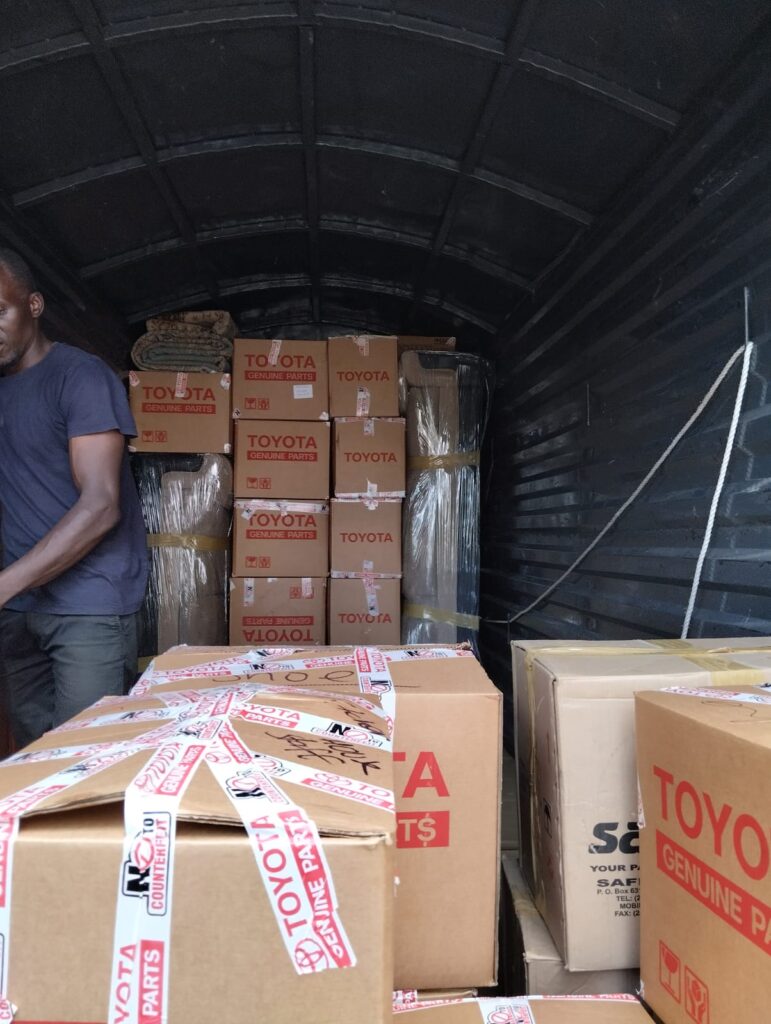
Even the most well-organized people may struggle with the special set of difficulties that come with long-distance house migrations. Long-distance relocations may require more preparation, coordination, and logistical concerns than local moves. Relocating to a different county or across county lines requires organization in order to make the transition go smoothly and stress-free. This guide’s emphasis on crucial planning and preparation phases will assist you in navigating the challenges of a long-distance relocation.
How to Stay Organized During a Long-Distance House Move
Planning and Preparation
-
Create a Detailed Moving Timeline
- Establish Deadlines: Start by setting up a timeline that outlines deadlines for each major task. For example, you might set deadlines for hiring a moving company, packing your belongings, and completing any necessary paperwork. A well-structured timeline will keep you on track and ensure that no important tasks are overlooked.
- Break Down Tasks: Divide the moving process into smaller, manageable tasks. This could include sorting items, packing, updating your address, and preparing your new home. Assign specific dates to each task to avoid last-minute rushes.
-
Gather Essential Documents
- Collect Important Paperwork: Make sure you have all necessary documents organized and accessible. This includes utility bills, insurance policies, and legal documents related to your move. Keep a folder or binder with these important papers to avoid scrambling for them during the move.
- Update Address: Notify relevant parties of your new address, such as banks, insurance companies, and subscription services. Updating your address ahead of time will help prevent disruptions in mail delivery and service.
-
Research Moving Companies
- Compare Quotes and Services: Take the time to research and compare moving companies. Look for reputable movers with experience in long-distance relocations. Obtain quotes from multiple companies and assess their services to find one that fits your needs and budget.
- Read Reviews: Check online reviews and ask for recommendations from friends or family. Positive feedback and strong recommendations can provide valuable insights into the reliability and professionalism of a moving company.
-
Set a Moving Budget
- Estimate Costs: Calculate your moving budget by estimating costs for various expenses. This includes transportation fees, packing materials, and any additional services you might require. A detailed budget will help you manage your finances and avoid unexpected expenses.
- Allocate Funds: Set aside funds for each category of your moving expenses. This will ensure that you have enough resources to cover all aspects of your move without overspending.
Decluttering and Packing
-
Declutter Effectively
- Assess Your Belongings: Begin by evaluating your possessions and deciding what to keep, donate, or discard. This will help reduce the amount you need to move and make packing more manageable.
- Sort Items: Organize your items into categories such as clothing, books, kitchenware, and electronics. This makes it easier to identify items you no longer need or use.
- Hold a Garage Sale: Consider hosting a garage sale or donating unwanted items to charity. This not only helps you declutter but can also provide some extra cash or tax deductions.
-
Pack Strategically
- Label Boxes Clearly: Use a permanent marker or label maker to clearly mark each box with its contents and the room it belongs to. This will make unpacking much easier and help movers know where to place each box in your new home.
- Use Proper Packing Materials: Invest in quality packing materials such as bubble wrap, packing peanuts, and sturdy boxes to protect your belongings during transit.
- Pack Room by Room: Pack one room at a time to stay organized and prevent confusion. This approach also simplifies the unpacking process.
-
Create a Packing Inventory
- List Packed Items: Keep a detailed inventory of all items packed in each box. You can use a spreadsheet or a dedicated app for this purpose. This will help ensure nothing is left behind and assist in locating specific items after the move.
- Cross-Check with Your List: Regularly cross-check your inventory list as you pack and unpack to confirm that all items have been accounted for.
-
Pack an Essentials Bag
- Include Key Items: Prepare a bag or box with essential items you’ll need immediately upon arrival at your new home. This should include toiletries, a few changes of clothes, important documents, basic kitchenware, and any medications.
- Keep It Accessible: Make sure this essentials bag is easily accessible and not packed away with other items. This will ensure you have everything you need for the first few days without having to dig through boxes.
Organizing Your Move
-
Create a Moving Binder
- Store Important Documents: Use a binder to keep all your important documents organized, such as moving contracts, insurance papers, and your inventory list.
- Keep Contact Information: Include contact information for your moving company, utility providers, and any other relevant contacts. This will help you easily access important details during the move.
- Maintain Packing Lists: Use your binder to store packing lists and any notes related to the move. This helps keep everything in one place and ensures you don’t overlook important tasks.
-
Utilize Technology
- Use Moving Apps: Take advantage of moving apps and digital tools to manage tasks and stay organized. These apps can help you create checklists, track your moving progress, and remind you of important deadlines.
- Set Digital Reminders: Use calendar apps to set reminders for key tasks such as notifying utility companies or confirming moving dates with your movers.
-
Communicate with the Moving Company
- Stay in Touch: Regularly communicate with your moving company to address any questions or concerns. Confirm moving dates, discuss any special requirements, and ensure that all details are clear.
- Confirm Details: Double-check the details of your move, such as the pickup and delivery addresses, contact numbers, and any specific instructions for handling your belongings.
-
Coordinate with Utilities and Services
- Notify Providers: Inform utility companies and service providers of your move well in advance. This includes electricity, water, gas, internet, and cable services.
- Arrange for Transfers: Schedule disconnections and connections of services to coincide with your move-in date. This ensures you have essential utilities set up in your new home as soon as you arrive.
Staying Organized During the Move
-
Label Boxes Clearly
- Use a Consistent Labeling System: Ensure each box is labeled with a clear and consistent system. Include the room it belongs to and a brief description of its contents. For example, a box labeled “Kitchen – Pots and Pans” will help movers and yourself easily identify and place it in the right room.
- Color-Coding: Consider using color-coded labels or stickers for different rooms. This visual aid can simplify the process for both you and the movers, making it quicker to sort and unpack boxes at your new home.
-
Keep Track of Belongings
- Use a Checklist or Inventory: Maintain a checklist or inventory of all packed items. Update this list as you pack and check off items as they are loaded onto the moving truck. This will help ensure nothing is left behind and provides a record for reference.
- Take Photos: For valuable or delicate items, take photos before they are packed. This can be useful for insurance purposes and helps verify the condition of items in case of damage during the move.
-
Stay in Touch with Movers
- Provide Updates: Keep open communication with your moving company. Inform them of any changes to your moving schedule or special instructions regarding your belongings. This ensures that everyone is on the same page and helps prevent any last-minute issues.
- Confirm Details: Double-check key details with the movers, such as the estimated arrival time at your new home and any special handling requirements for fragile items.
-
Take Care of Yourself
- Prioritize Rest: Moving can be physically and mentally exhausting. Ensure you get adequate rest to maintain your energy levels and avoid burnout. Take breaks as needed and get a good night’s sleep before the moving day.
- Maintain Nutrition: Eat nutritious meals and stay hydrated throughout the moving process. Proper nutrition helps sustain your energy and focus, making the move more manageable.
- Manage Stress: Moving can be stressful, so it’s important to find ways to manage stress. Practice relaxation techniques such as deep breathing, meditation, or light exercise to keep stress levels in check.
Tips for Staying Organized
-
Delegate Tasks
- Involve Family or Friends: Don’t hesitate to ask for help from family or friends. Delegating tasks such as packing, loading, and unpacking can make the process more efficient and less stressful.
- Assign Specific Tasks: Give clear instructions and assign specific tasks to each helper to ensure everything gets done efficiently. This helps avoid confusion and ensures all aspects of the move are covered.
-
Take Breaks
- Avoid Burnout: Moving can be physically demanding, so it’s important to take regular breaks. Allow yourself time to rest and recharge to prevent exhaustion and maintain your energy levels.
- Stay Hydrated: Keep water and snacks on hand to stay hydrated and nourished throughout the moving process. Proper hydration and nutrition are crucial for maintaining your stamina.
-
Stay Positive
- Maintain a Positive Attitude: Moving can be a challenging experience, but keeping a positive mindset can make a big difference. Focus on the benefits of your new home and the opportunities ahead.
- Celebrate Small Wins: Acknowledge and celebrate small accomplishments during the move. Each step completed brings you closer to settling into your new home and helps maintain motivation.
Conclusion
Long-distance moving can be a difficult and complicated process, but the secret to a stress-free and seamless move is organization. It’s important to label your boxes clearly during the move, keep an inventory of your belongings, and communicate frequently with your movers in order to maintain organization. Maintaining your energy and focus requires making self-care a priority, which includes controlling your stress and drinking enough water.
It will be easier for you to settle in quickly and comfortably if you unpack your essentials first, create a system for organizing your house, and take some time to explore your new neighborhood. Moving will be made easier if friends or family are involved in the process, breaks are taken frequently, and a cheerful outlook is maintained. By following these guidelines, you can navigate your long-distance move with greater ease and confidence.