Storage facilities are now necessary for both individuals and businesses in Nairobi’s busy metropolis, where space is sometimes at a premium. However, the question of how safe these facilities are emerges in light of the growing demand for secure storage solutions. This post explores the important aspects to take into account while selecting a Nairobi storage facility to guarantee the security of your possessions.
How Secure Are Storage Facilities in Nairobi? What to Look For
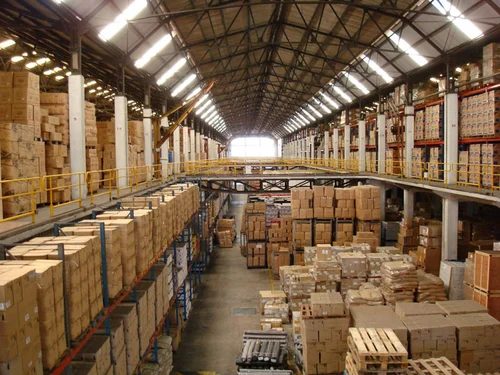
Key Security Features to Look For
When evaluating the security of storage facilities in Nairobi, it’s essential to look for a range of key security features that collectively ensure the safety of your belongings. Here are some crucial security measures to consider:
Physical Security Measures
Surveillance Cameras and Monitoring Systems Surveillance cameras are a fundamental component of any secure storage facility. Look for facilities equipped with a network of high-resolution cameras covering all critical areas, including entry and exit points, hallways, and exterior grounds. These cameras should be monitored in real-time and stored footage should be retained for a reasonable period. Advanced facilities often use cloud-based systems for enhanced reliability and access.
Access Control Systems Effective access control systems are vital for restricting unauthorized access. Facilities should employ modern solutions such as keypads, biometric scans, or proximity cards to manage who can enter the premises. Ensure that the system logs all entries and exits, allowing for tracking and accountability. Some facilities may even offer customized access codes for individual units, adding an extra layer of security.
Fencing and Perimeter Security A well-secured perimeter is the first line of defense against unauthorized access. Look for facilities with robust fencing, preferably with features such as barbed wire or electric fencing, and secure gates. Additionally, consider facilities that employ regular patrols or have security personnel stationed at entry points.
Lighting and Visibility Proper lighting is essential for both deterrence and detection. Ensure that the facility is well-lit, especially around entrances, walkways, and the perimeter. Good visibility reduces the chances of criminal activity and helps surveillance cameras capture clear footage.
Alarm Systems
Types of Alarm Systems A comprehensive alarm system is critical for immediate response to security breaches. Look for facilities that have motion sensors installed throughout the premises to detect any unusual activity. Break-in alarms should be connected to local authorities or monitoring services to ensure rapid response in case of an emergency.
Response Protocols and Monitoring Services Effective alarm systems should be backed by a clear response protocol. Facilities should have arrangements with monitoring services that alert security personnel or local authorities when an alarm is triggered. It’s important to verify how quickly these services can respond and what their procedures entail.
Fire and Safety Measures
Fire Detection and Suppression Systems Fire safety is as important as security against theft. Check if the facility has fire detection systems, such as smoke detectors and fire alarms, integrated with automatic suppression systems like sprinklers. These systems should be regularly tested and maintained to ensure they function correctly in an emergency.
Regular Safety Inspections and Maintenance Regular inspections and maintenance are crucial for maintaining the safety and functionality of security and fire systems. A reputable facility will conduct routine checks on their security measures, fire systems, and overall infrastructure to address any potential issues before they become critical.
Facility Management and Staff
Effective security in storage facilities goes beyond physical measures and technological systems; it also hinges on the competence and integrity of the personnel involved in managing and operating the facility. Here’s what to look for in terms of facility management and staff:
Staff Training and Background Checks
Importance of Trained Security Personnel The presence of well-trained security personnel is crucial for maintaining a secure environment. Look for facilities where staff members undergo comprehensive training in security protocols, emergency response, and customer service. Trained personnel are better equipped to handle various security situations, from managing access to responding to potential breaches. They should be familiar with the facility’s security systems and procedures, ensuring they can act swiftly and effectively when needed.
Background Checks for Staff and Contractors To ensure the trustworthiness of those handling your belongings, it’s important that the facility conducts thorough background checks for all staff and contractors. This process should include criminal record checks and verification of previous employment to identify any potential red flags. Background checks help mitigate the risk of internal theft and ensure that individuals with access to sensitive areas have a clean and reliable history.
Facility Access and Management
Restricted Access to Sensitive Areas Proper access management is essential for safeguarding sensitive areas within the storage facility. These areas might include surveillance rooms, control panels, or areas with high-value items. Ensure that the facility implements strict access controls to these zones, allowing entry only to authorized personnel. Access should be monitored and logged to maintain accountability and traceability.
Procedures for Handling and Managing Access Effective management of access procedures is key to maintaining security. Facilities should have clear and well-documented procedures for issuing, monitoring, and revoking access credentials. This includes managing access codes, keys, or biometric data. The facility should also regularly review and update access permissions to reflect staff changes and ensure that former employees or contractors no longer have access.
Reputation and Reviews
When evaluating storage facilities, a facility’s reputation and customer feedback can provide valuable insights into its security and overall reliability. Here’s how to leverage these aspects to assess the security of storage facilities in Nairobi:
Customer Reviews and Testimonials
How to Find and Interpret Reviews Customer reviews and testimonials offer a window into the real experiences of individuals who have used the facility’s services. To find reviews, start by searching online review platforms such as Google Reviews, Yelp, or local forums. Social media platforms and the facility’s website may also feature customer feedback. When interpreting reviews, look for patterns in the feedback—repeated mentions of security issues or praises for safety measures can be indicative of the facility’s overall security performance. Pay attention to detailed reviews that describe personal experiences, as these can provide more context than generic comments.
The Role of Online Reputation in Security A facility’s online reputation is a reflection of its commitment to customer satisfaction and security. Positive reviews and high ratings generally indicate that customers feel their belongings are secure and well-managed. Conversely, negative reviews highlighting security breaches or poor safety measures should be taken seriously. Analyzing the overall tone and specifics of the feedback can help you gauge the effectiveness of the facility’s security measures and the trustworthiness of its operations.
Certifications and Accreditations
Compliance with local regulations and standards is crucial for ensuring that a storage facility adheres to legal and safety requirements. In Nairobi, facilities should comply with local laws regarding security measures, fire safety, and facility management. Verify if the facility is licensed and if it meets the requirements set by local authorities. This not only ensures that the facility operates within legal boundaries but also indicates its commitment to maintaining a secure and safe environment.
Additional Security Considerations
When selecting a storage facility, it’s important to consider additional security aspects that can further safeguard your belongings. Beyond physical security and staff management, insurance options and emergency procedures play a critical role in ensuring comprehensive protection.
Insurance Options
Types of Insurance Offered for Stored Items Many storage facilities offer insurance options to protect your belongings against potential risks such as theft, fire, or natural disasters. Common types of insurance include:
- Property Insurance: Covers damage or loss of personal items stored in the facility. This is often included in the rental agreement but may have specific coverage limits.
- Valuable Item Insurance: Provides additional coverage for high-value items like electronics, antiques, or collectibles. This type of insurance may require separate documentation or appraisal.
- Liability Insurance: Protects against claims arising from accidents or damage caused by the storage facility to third parties.
Importance of Understanding Coverage and Limits Understanding the details of the insurance coverage is crucial. Review the policy carefully to ensure it meets your needs and provides adequate protection for your belongings. Pay attention to coverage limits, deductibles, and any exclusions or conditions that might affect your claim. If the facility’s insurance is insufficient, consider purchasing additional coverage from a third-party insurance provider to fill any gaps.
Emergency Procedures
Procedures for Handling Security Breaches or Emergencies A well-prepared storage facility should have clear procedures for addressing security breaches or emergencies. These procedures typically include:
- Incident Response Plans: Detailed steps for responding to security breaches, such as break-ins or vandalism, including securing the premises and notifying law enforcement.
- Emergency Evacuation Plans: Procedures for evacuating the facility in case of fire or other emergencies, ensuring the safety of both staff and customers.
- Reporting Mechanisms: Systems for reporting suspicious activity or security concerns to facility management promptly.
Availability of Emergency Contact Information Having access to emergency contact information is essential for addressing issues quickly. Ensure that the facility provides clear contact details for:
- On-Site Security Personnel: For immediate assistance or reporting security concerns.
- Local Authorities: For reporting criminal activity or emergencies.
- Facility Management: For addressing non-urgent issues or inquiries during business hours.
By considering these additional security factors—insurance options and emergency procedures—you can further ensure the safety of your belongings. A facility that offers comprehensive insurance and well-defined emergency protocols demonstrates a strong commitment to protecting your assets and responding effectively in critical situations.
Questions to Ask When Choosing a Facility
When evaluating prospective storage facilities, asking the right questions can help you make an informed decision. Consider these questions:
- What security features do you have in place?
- Ask about surveillance cameras, access control systems, and alarm systems.
- How often are the security systems tested and maintained?
- Understand the facility’s maintenance schedule for security equipment.
- Can you provide details on staff training and background checks?
- Inquire about the training programs and background verification processes for staff.
- What insurance options are available, and what do they cover?
- Clarify the types of insurance offered and the coverage limits for stored items.
- What are the emergency procedures in case of a security breach or fire?
- Ask about the facility’s response protocols and emergency contact information.
- Can I view customer reviews or testimonials about the facility?
- Request access to reviews or testimonials to gauge other customers’ experiences.
- Are there any additional security measures or services offered?
- Find out if the facility provides any extra services or security measures that might be beneficial.
Conclusion
In summary, when comparing storage facilities in Nairobi, it is essential to focus on key security features such as surveillance systems, access controls, and emergency procedures. Facilities that offer comprehensive security measures, along with transparent communication and positive customer feedback, are likely to provide a secure environment for your belongings.
Thoroughly evaluating each facility based on these criteria will help you make a well-informed decision. Take the time to visit the facilities, ask detailed questions, and review customer experiences to ensure you select a storage solution that meets your security needs and provides peace of mind.