How to Safely Move Large and Heavy Items Without
Damaging Your Property
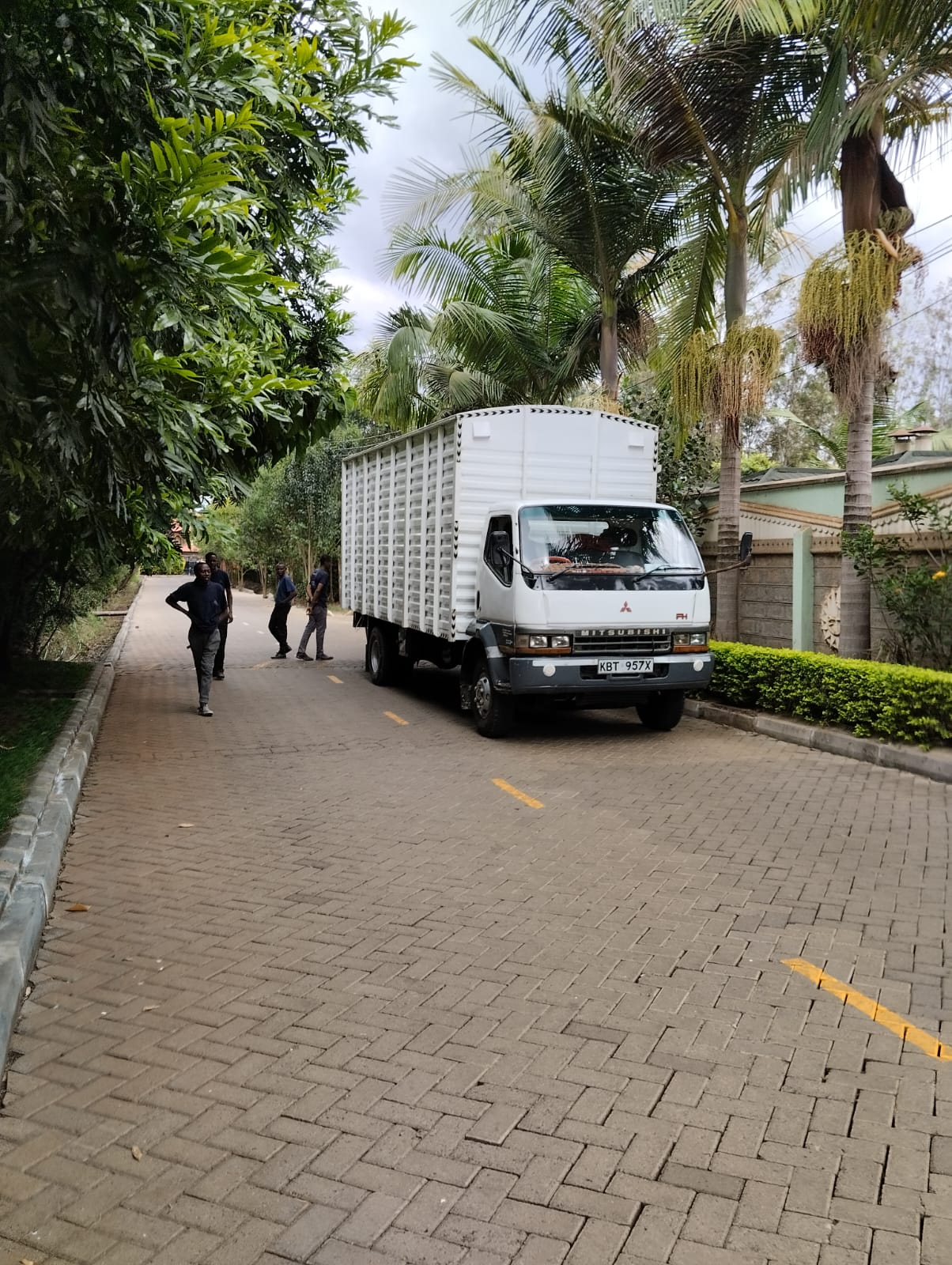
Before undertaking any move, first assess the size, weight, and type of each big, heavy piece. Through the understanding of such aspects, you will know how to handle each piece and transport it. Moving a grand piano is not handled in the same way as moving a heavy-duty refrigerator. Note any special features or materials that may affect the way you move these items, such as fragile finishes or complicated parts.
Accurate measurements are the roots of a smooth-moving process. Measure the dimensions of every single item and the doorways, hallways, and staircases they would have to go through to get to their destination. That saves you from all kinds of surprise on moving day, which makes sure your items can fit with no damage through every entry point.
Gather Equipment
Having the right equipment can make a significant difference in the ease and safety of your move. Essential tools for moving large and heavy items include:
- Dollies: Hand trucks or furniture dollies can help lift and transport heavy items more easily.
- Furniture Sliders: These small, often circular pads make it easier to slide heavy furniture across floors without scratching or denting the surface.
- Straps and Ropes: Moving straps or ropes can help secure items and provide better control during transport, reducing the risk of tipping or shifting.
- Protective Padding: Blankets, padding, and corner protectors are crucial for shielding both your items and your property from scratches, dents, and other forms of damage.
Preparing the Property
In this regard, one should use protective coverings against scratches, dents, and all other sorts of damages on your floor. First, lay down moving blankets or specialized floor protection materials along the path where heavy items will be moved. One can make a cushioned surface on hard floors with a combination of moving blankets and cardboard or plastic sheeting.
Most damage during a move occurs to wall and door frames when trying to move bulky or oddly-shaped items. Corner protectors protect corners on door frames and walls from bumping and scratching. Extra padding around the edges would be great for safety. If possible, take the door frames down or readjust them if they are in the way of your moving route.
A smooth, free path is very essential for any move. Clear the moving route of any clutter: furniture, rugs, and ornaments. Let there be sufficient space to accommodate the passage of bulky items and that nothing potentially obstructive loosely lying cables or poor flooring may cause an impediment in your way.
Moving Techniques
Lifting and Carrying
- Proper Lifting Techniques: To avoid injury and damage, use correct lifting techniques. Bend at your knees, not your waist, and keep your back straight. Grip the item securely with both hands and use your legs to lift, not your back. Avoid twisting while carrying; instead, pivot your feet to change direction.
- Team Lifting Strategies: For particularly heavy or large items, team lifting is essential. Communicate with your lifting partners to coordinate movements, maintain balance, and ensure a smooth lift. Use a synchronized approach, with each person lifting at the same time and moving in unison to prevent accidents.
Using Moving Equipment
- Dollies and Hand Trucks: Dollies and hand trucks can greatly ease the transport of heavy items. When using a dolly, tilt the item slightly to slide the dolly underneath, then secure it with straps. Use the handles to guide and steer the dolly, keeping it balanced and moving steadily.
- Furniture Sliders and Lift Straps: Furniture sliders are designed to reduce friction and make it easier to move heavy items across floors. Place them under the legs or corners of the item and gently push or pull it along the floor. Lift straps help distribute weight and provide better control; position them under the item and use your legs to lift, not your back.
Navigating Stairs and Tight Spaces
- Moving Items Up and Down Stairs: When moving items up or down stairs, use extra caution. Have one person lead the item while another supports from behind, or vice versa. Ensure that the item is securely positioned and that everyone is in sync with the movements. Use stair-climbing hand trucks if available, as they are specifically designed for this purpose.
- Maneuvering Through Tight Spaces: For tight spaces, such as narrow doorways or corridors, plan your approach carefully. Tilt or angle the item as needed to navigate through. If possible, disassemble the item into smaller parts to make it easier to fit through tight spots. Use padding or blankets around edges to prevent damage to both the item and the property.
Securing Items During Transport
The next step is to strap the item by wrapping the straps around the item and hooking to the sides of the moving truck or trailer. Pull the straps tight so that the item won’t shift around. For added security, take some rope and create cross-ties, which will stabilize the item from getting jostled around during the transit. Make sure the straps and ropes are not too tightly secured; it should just be snug enough to keep the items intact.
Wrap fragile or precious items to the next level with bubble wrap or even foam padding. Secure the padding with tape or straps. Take it to another level for those really fragile or oddly-shaped items, and invest in covers that are fitted just for them. Proper padding prevents the item from getting any damage, while also preventing the shifting inside the moving truck.
Post-Move Tips
After the move, it is necessary to ensure that a proper check is made for damages both to your items and property. Here’s how to approach this:
Damaged Items Check: First of all, check the items for scratches, dents, or other damage. One should remove padding and covers carefully so that one does not miss any damage. Note it down and compare such problems with your inventory list, if any. If you are transporting through professional movers, report it to them as soon as possible; sometimes they do have insurance that covers this problem.
Property Check: Scratches, dents, and other forms of damage may have been sustained on your floorings, walls, and even door frames during the move. Note any high-traffic and corner spots that might have taken the brunt. If there’s some, take picture evidence, then with due diligence, have an assessment for repairs.
Take Care of the Damages Soon: If you find items or property damaged, look into them as soon as possible. You can take minor repairs into your hands or call a handyman to do it. For significant damage or problems with the moving company, you should call your insurance provider for assistance and claims.
Unpacking and Arranging
Proper unpacking and arrangement are necessary for convenience in the settling process of your new space efficiently and comfortably. Here are some best practices to follow:
Start with Essentials: First, unpack the essential items such as utensils, toiletries, and bedding. This ensures you have what you need with you as you settle in. Prioritize items that will help you function comfortably while continuing to unpack.
Systematic unpacking: Unpack room by room so that the process will be in order and will not result in an overwhelming mess. While you do this, you place items in their designated area as earlier laid out.
Arrange Furniture: Before arranging large pieces of furniture, first visualize or actually draw a sketch of how the layout will look in each room. Consider flow and functionality. Move furniture around to work with the room’s layout and ensure moving through the room will be easy.
Organize Storage: Employ organizational equipment like shelving, bins, and closet organizers to store items in their place. Group similar items together and label boxes or containers to facilitate finding them at some point later.
Clean as You Go: As you unpack, take some time to clean off surfaces and floors. This will keep your new space clean and inviting while you are getting settled.
Missing/Damaged Items: After unpacking, go through your inventory list to make sure that everything is indeed there and has arrived. Anything missing or damaged should be reported to the moving company or your insurer.